
DRUG AND ALCOHOL DETOX IN SONOMA COUNTY, CALIFORNIA
Drug and Alcohol Detox in Sonoma County, California
At Longhorn Ridge Recovery, we provide medically supervised drug and alcohol detox in Sonoma County, California, with compassionate care designed to help you get through the hardest part of early recovery with dignity and support. Millions of Americans need treatment for substance use disorders each year, yet many never receive it. If you or someone you love is ready to take that first step, we are here to help. Learn more about our substance abuse treatment programs and how we can support your recovery from day one.
What is Medical Drug and Alcohol Detox?
What is Medical Drug and Alcohol Detox?
Medical drug and alcohol detox is a supervised process where healthcare professionals help you safely stop using drugs or alcohol. It involves monitoring your physical health, managing withdrawal symptoms, and using medications when needed to keep you stable and as comfortable as possible.
Detox addresses the physical side of addiction by helping your body adjust to functioning without substances. However, it does not address the emotional, behavioral, or psychological roots of addiction. That is why detox is always the first step, not the final one. A full treatment program following detox gives you the best chance at lasting recovery.
Risks of Detoxing from Drugs and Alcohol Without Medical Supervision
Risks of Detoxing from Drugs and Alcohol Without Medical Supervision

Trying to detox on your own can be dangerous, and in some cases, life-threatening. Without medical support, withdrawal symptoms can escalate quickly and become a medical emergency.
Some of the most serious risks of unsupervised detox include:
- Seizures, which are common during alcohol and benzodiazepine withdrawal
- Severe dehydration from vomiting and diarrhea
- Dangerous changes in heart rate and blood pressure
- Delirium tremens (DTs), a severe form of alcohol withdrawal that can be fatal
- Relapse due to overwhelming discomfort, which increases the risk of overdose
Medical supervision dramatically reduces these risks.
What to Expect During Drug and Alcohol Detox at Longhorn Ridge Recovery
What to Expect During Drug and Alcohol Detox at Longhorn Ridge Recovery
At Longhorn Ridge Recovery, detox is not a one-size-fits-all process. Every client receives individualized care from a team of medical and clinical professionals who are with you every step of the way. Longhorn Ridge provides medically supervised withdrawal management (detox) on-site, at a facility licensed for residential treatment and withdrawal management by the California DHCS (License #490053AP) and accredited by The Joint Commission, with incidental medical services on-site.
Here is what the detox process looks like at our luxury drug and alcohol rehab facility in Sonoma County:
This information shapes your personalized detox plan. No two people experience withdrawal the same way, and your care should reflect that. Our team uses this assessment to determine the right level of monitoring, the appropriate medications, and the safest timeline for your detox.
You will never be left alone to manage withdrawal on your own. Our team is present day and night to provide medical care, emotional support, and reassurance. Knowing that help is always nearby makes a significant difference in how clients experience the detox process.
Medications play an important role in making detox safer and more manageable. Depending on the substance and severity of dependence, our medical team may use FDA-approved medications to reduce withdrawal symptoms and lower the risk of complications.
Our medication-assisted treatment (MAT) program uses evidence-based medications such as buprenorphine for opioid withdrawal, benzodiazepines for alcohol withdrawal, and other supportive medications as needed. These medications are carefully managed and adjusted based on how your body responds throughout the process.
The length of detox varies depending on the substance, how long you have been using, and your overall health. In general:
- Alcohol detox: Symptoms typically begin within 6 to 24 hours and can last 5 to 7 days.
- Opioid detox: Symptoms usually begin within 12 to 30 hours and last 5 to 10 days.
- Benzodiazepine detox: Symptoms can begin within 1 to 4 days and may last 2 to 4 weeks.
- Stimulant detox: Symptoms often begin within 24 hours and last 1 to 2 weeks.
Most clients complete the acute phase of detox within 5 to 10 days. Your care team will keep you informed throughout the process so you always know what to expect.
Withdrawal Symptoms by Substance During Detox
Withdrawal Symptoms by Substance During Detox
Withdrawal looks different depending on the substance involved. Understanding what to expect can help reduce fear and prepare you for the process. Our team is trained to manage all of the following.
Alcohol withdrawal can range from mild to severe. Common symptoms include:
- Anxiety, irritability, and restlessness
- Sweating, tremors, and elevated heart rate
- Nausea and vomiting
- Insomnia and headaches
- In severe cases, seizures and delirium tremens
Detoxing from alcohol without medical care is considered very dangerous. Medical detox ensures individuals have access to life-saving care.
Opioid withdrawal is rarely life-threatening, but it is intensely uncomfortable. Symptoms often include:
- Muscle aches and cramps
- Nausea, vomiting, and diarrhea
- Chills, sweating, and goosebumps
- Anxiety, agitation, and insomnia
- Strong cravings for opioids
Opioid withdrawal is among the conditions supported by MAT. With medical supervision, medications can be used to reduce cravings and manage withdrawal symptoms.
Benzodiazepine withdrawal is one of the most medically serious types of withdrawal, similar to alcohol. Symptoms can include:
- Severe anxiety and panic attacks
- Insomnia and irritability
- Muscle tension and tremors
- Seizures in severe cases
- Cognitive difficulties and confusion
Stimulant withdrawal from substances like cocaine or methamphetamine is primarily psychological. Common symptoms include:
- Intense fatigue and increased sleep
- Depression and low mood
- Strong cravings
- Difficulty concentrating
- Increased appetite
What Happens After Drug and Alcohol Detox?
What Happens After Drug and Alcohol Detox?
Completing detox is a major accomplishment, but it is the beginning of the recovery journey, not the end. The physical dependence has been addressed, but the underlying causes of addiction still need to be treated.
The Full Continuum of Care After Detox at Longhorn Ridge Recovery

At Longhorn Ridge Recovery, we support clients through every level of care following detox. Depending on your needs, the next step may include:
- Residential treatment (inpatient): Our program includes 24-hour structured care with therapy, groups, and holistic programming.
- Partial Hospitalization Program (PHP): A step down from residential care, our PHP provides intensive daytime treatment with more flexibility.
- Intensive Outpatient Program (IOP): Our IOP includes structured therapy sessions while living at home or in sober living.
Transitioning directly from detox into a treatment program significantly improves long-term recovery outcomes. Longer engagement in treatment leads to better results. Our team works with you to build a plan that fits your life and supports lasting change.
Start Drug and Alcohol Detox at Longhorn Ridge Recovery in Sonoma County, CA
Start Drug and Alcohol Detox at Longhorn Ridge Recovery in Sonoma County, CA
Taking the first step toward recovery takes courage, and you do not have to do it alone. At Longhorn Ridge Recovery, our team is ready to walk alongside you from the very first day of detox through every stage of your recovery journey. We offer medically supervised drug and alcohol detox in a warm, intimate setting in Sonoma County, California, where you will be treated as a whole person, not just a diagnosis. Contact us today to take the first step toward a healthier, substance-free life.
Frequently Asked Questions About Drug and Alcohol Detox
Frequently Asked Questions About Drug and Alcohol Detox










Does Insurance Cover Addiction Treatment?
We work with most PPO insurance plans, typically offered through your employer, to secure the best rate for comprehensive addiction treatment. Verify your insurance in under a minute to see your coverage options. All information provided is strictly confidential.





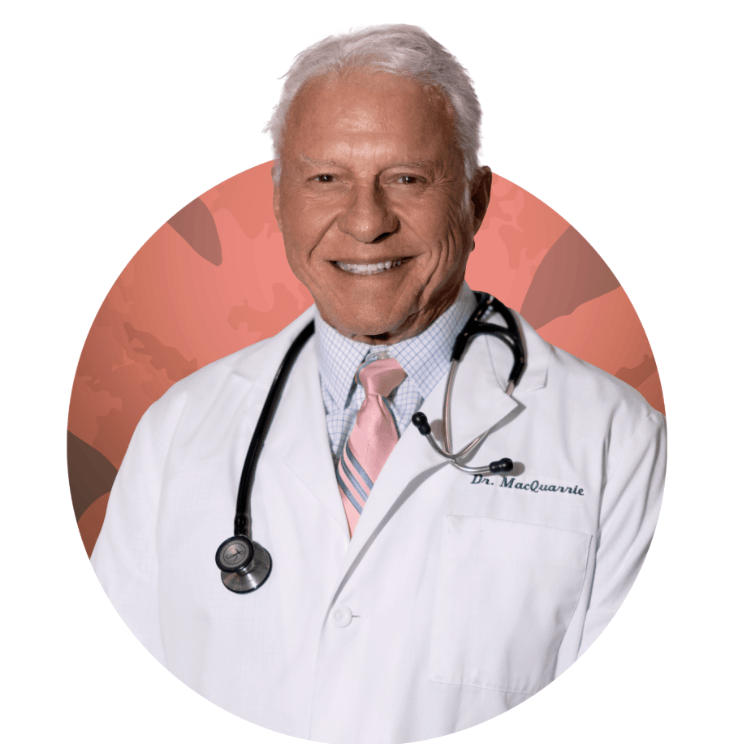
Medical Director, Dr. MacQuarrie’s unique background in emergency medicine, including his role as Medical Director at a prominent detox center located in San Francisco, has given him valuable insights into the acute medical needs of patients with substance use disorders.