
MUSIC TREATMENT FOR ADDICTION IN PETALUMA, CA
Music Therapy for Addiction Treatment in Sonoma County, CA
Some things can't be said with words. The grief that sits heavy in your chest. The anger you've swallowed for years. The joy you forgot you were capable of feeling. Music reaches places that talk therapy sometimes can't—bypassing the analytical mind and speaking directly to the heart.
Why Music Heals
Why Music Heals
Music affects the brain in profound ways. It activates areas involved in emotion, memory, movement, and reward—often simultaneously. This is why a song can instantly transport you to another time, shift your mood in seconds, or bring tears without warning.
For people in recovery, this power becomes therapeutic:
• Emotional release — Music provides a safe container for feelings that are difficult to express verbally. Sometimes playing a drum, singing a song, or simply listening allows emotions to surface and move through.
- Nervous system regulation — Rhythm and melody can calm an activated nervous system, slow the heart rate, and shift the body out of stress mode.
- Trauma processing — Music can access traumatic memories gently, without requiring clients to verbally recount painful experiences before they're ready.
- Connection and community — Making music with others builds trust, cooperation, and a sense of belonging—counteracting the isolation that addiction creates.
- Joy and play — Recovery can feel heavy. Music reminds you that healing can also include lightness, creativity, and genuine enjoyment.
What Happens in Music Therapy
What Happens in Music Therapy
Music Therapy at Longhorn Ridge is facilitated by trained professionals who understand both the clinical and creative dimensions of this work. Sessions are tailored to individual needs and comfort levels.
You might experience:
• Listening exercises — Using carefully selected music to evoke emotions, explore memories, or simply practice being present with sound.
- Instrument exploration — Playing drums, percussion, piano, guitar, or other instruments—no experience necessary. The goal isn't performance; it's expression.
- Songwriting — Creating original lyrics or melodies as a way to process your story, articulate feelings, or envision your future.
- Vocal work — Singing, humming, toning, or using your voice to release tension and connect with breath and body.
- Guided imagery with music — Combining relaxation techniques with music to access deeper states of awareness and emotional processing.
- Group music-making — Collaborative sessions where clients create music together, building connection and practicing nonverbal communication.
Every session is judgment-free. You don't need to read music, carry a tune, or have any prior experience. Music Therapy meets you exactly where you are.
Music Therapy and Addiction Recovery
Music Therapy and Addiction Recovery
Addiction often develops as a way to manage overwhelming emotions. Substances become the tool for numbing pain, escaping stress, or accessing feelings of pleasure and connection. When the substances are removed, those emotions remain—and need somewhere to go.
Music Therapy provides a healthy outlet. Instead of stuffing feelings down or numbing them out, you learn to express them creatively. This builds emotional tolerance and gives you tools that remain available long after treatment ends.
Research supports what clients experience firsthand:
- Reduced feelings of anxiety and depression symptoms
- Decreased cravings and improved impulse control
- Enhanced emotional awareness and regulation
- Improved self-esteem and sense of identity
- Greater engagement in overall treatment
Music Therapy and Trauma
Music Therapy and Trauma
Trauma often lives beneath words. It's stored in the body, encoded in implicit memory, and triggered by sensations rather than thoughts. Traditional talk therapy can struggle to access these deeper layers.
Music offers another way in. Rhythm grounds the body. Melody soothes the nervous system. Creative expression allows traumatic material to emerge and be processed without retraumatization.
For clients with trauma histories—which includes most people struggling with addiction—Music Therapy can be a gentle yet powerful complement to other therapeutic approaches.
Rediscovering Yourself Through Sound
Rediscovering Yourself Through Sound
Many clients arrive at treatment disconnected from joy, creativity, and play. Addiction narrows life down to one thing: the substance. Hobbies disappear. Passions fade. The person you used to be feels like a distant memory.
Music Therapy helps you reconnect with parts of yourself you may have lost. Maybe you used to play an instrument. Maybe you haven't sung since childhood. Maybe you've never thought of yourself as creative at all.
It doesn't matter. Music Therapy isn't about rediscovering talent—it's about rediscovering yourself. The person beneath the addiction. The emotions beneath the numbness. The capacity for expression, connection, and even joy that has been waiting for permission to emerge.
Part of a Comprehensive Approach
Part of a Comprehensive Approach
At Longhorn Ridge Recovery, Music Therapy is integrated with evidence-based clinical care—individual therapy, group work, trauma treatment, and other holistic modalities. It's one tool among many, offered because we believe healing happens through multiple pathways.
Our Petaluma rehab provides a peaceful environment where creativity can flourish. Away from the noise of daily life, you have space to explore, express, and discover what wants to be heard.
Let the Music Move You
Let the Music Move You
Some healing happens beyond words. Let sound help you find your way.
Contact Longhorn Ridge Recovery today for a confidential consultation.










Does Insurance Cover Addiction Treatment?
We work with most PPO insurance plans, typically offered through your employer, to secure the best rate for comprehensive addiction treatment. Verify your insurance in under a minute to see your coverage options. All information provided is strictly confidential.





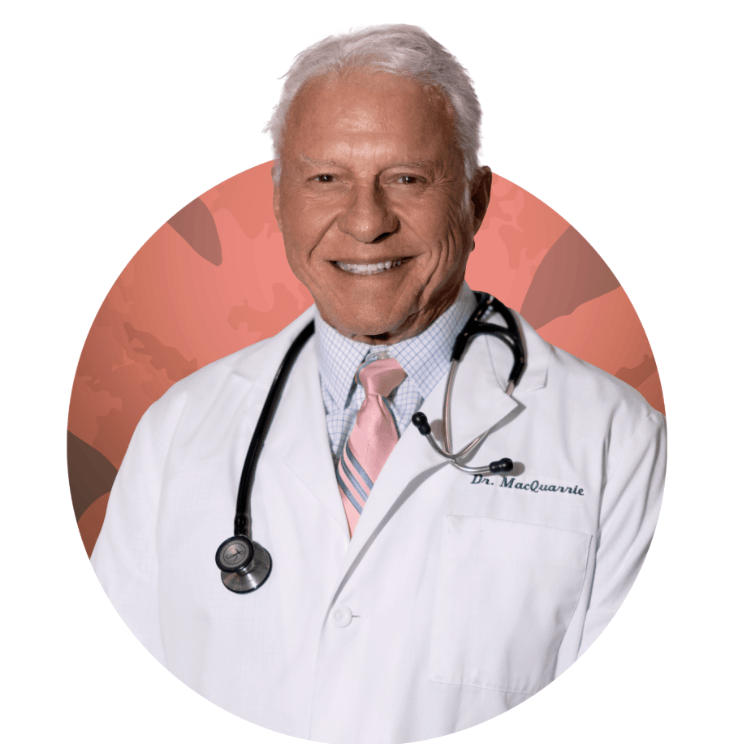
Medical Director, Dr. MacQuarrie’s unique background in emergency medicine, including his role as Medical Director at a prominent detox center located in San Francisco, has given him valuable insights into the acute medical needs of patients with substance use disorders.