
MEDITATION FOR ADDICTION IN PETALUMA, CA
Meditation Therapy For Addiction in Sonoma County, CA
Your mind rarely stops. Even when your body is still, the thoughts keep coming—replaying the past, rehearsing the future, judging, planning, worrying. For many people struggling with addiction or mental health challenges, this constant mental noise is exhausting. And it's often what drove them to substances in the first place.
Why Meditation Matters in Recovery
Why Meditation Matters in Recovery
Addiction is often an attempt to escape the present moment. The drink that quiets the anxious mind. The pill that numbs overwhelming emotions. The substance that offers temporary relief from a brain that won't stop spinning.
Recovery requires learning to be present without needing to escape. That's exactly what meditation teaches.
Here's what consistent meditation practice does:
• Regulates the nervous system — Meditation activates the parasympathetic nervous system, shifting you out of chronic stress mode and into a calmer, more balanced state.
- Reduces cravings — Mindfulness helps you observe cravings without acting on them. You learn that urges rise and fall like waves—and that you don't have to be swept away.
- Builds emotional resilience — Instead of reacting impulsively to difficult emotions, meditation creates space between stimulus and response. You develop the ability to pause, breathe, and choose.
- Improves focus and clarity — The scattered, foggy thinking common in early recovery begins to clear. You regain access to mental sharpness that substances stole.
- Supports better sleep — A calmer mind sleeps more easily. Meditation practices reduce the racing thoughts that keep so many people awake at night.
- Cultivates self-awareness — You become more attuned to your internal experience—noticing stress, triggers, and warning signs before they escalate.
What Mindfulness Actually Means
What Mindfulness Actually Means
Mindfulness isn't about emptying your mind or achieving some blissful state. It's simpler than that—and harder.
Mindfulness means paying attention to the present moment, on purpose, without judgment. It means noticing when your mind wanders and gently bringing it back. It means observing your thoughts and feelings as passing events rather than absolute truths.
This sounds simple, but for most people it's revolutionary. We spend so much of our lives lost in thought—ruminating about the past, worrying about the future, or numbing out entirely—that actually being present feels unfamiliar.
With practice, mindfulness becomes a way of living. You learn to bring awareness to ordinary moments: eating a meal, having a conversation, walking outside, feeling an emotion. Life becomes richer, and you become less reactive.
Our Meditation Offerings
Our Meditation Offerings
At Longhorn Ridge Recovery, we introduce meditation in accessible, practical ways. You don't need prior experience, spiritual beliefs, or any special abilities. You just need willingness.
Guided Meditation Sessions
Led by trained facilitators, these sessions introduce foundational practices like breath awareness, body scans, and present-moment focus. Guidance makes meditation approachable, especially for beginners.
Mindfulness-Based Stress Reduction (MBSR)
This evidence-based program teaches practical mindfulness skills for managing stress, pain, and difficult emotions. It's been extensively researched and proven effective for recovery.
Breathwork Practices
Your breath is a direct line to your nervous system. We teach specific breathing techniques that can calm anxiety, increase energy, or help you move through difficult emotional states.
Walking Meditation
Meditation doesn't require sitting still. Our Petaluma property offers beautiful grounds for mindful walking—bringing awareness to movement, sensation, and the natural world.
Integration with Daily Life
We help you weave mindfulness into ordinary activities—eating, showering, waiting, listening. The goal is a practice you can sustain anywhere, not just on a meditation cushion.
Meditation and the Addicted Brain
Meditation and the Addicted Brain
Addiction changes the brain. It hijacks the reward system, impairs impulse control, and keeps the stress response chronically activated. Recovery requires rewiring these patterns—and meditation is one of the most effective tools we have.
Research shows that regular meditation practice:
• Increases gray matter in areas related to self-control and emotional regulation
- Reduces activity in the amygdala, the brain's fear and stress center
- Strengthens the prefrontal cortex, improving decision-making and impulse control
- Enhances connectivity between brain regions involved in self-awareness
In other words, meditation doesn't just help you feel calmer—it physically changes your brain in ways that support recovery.
A Practice for Life
A Practice for Life
The meditation skills you develop at Longhorn Ridge aren't just for treatment. They're tools you'll carry with you forever.
When stress hits after you leave—and it will—you'll have practices that actually work. When cravings arise, you'll know how to observe them without acting. When emotions feel overwhelming, you'll have ways to ground yourself and return to center.
Many of our clients tell us that meditation becomes one of the most valuable things they take from treatment. It costs nothing, requires no equipment, and is available anytime, anywhere.
Find Stillness in the Storm
Find Stillness in the Storm
Peace isn't the absence of difficulty. It's the ability to stay grounded in the middle of it.
Contact Longhorn Ridge Recovery today for a confidential consultation.










Does Insurance Cover Addiction Treatment?
We work with most PPO insurance plans, typically offered through your employer, to secure the best rate for comprehensive addiction treatment. Verify your insurance in under a minute to see your coverage options. All information provided is strictly confidential.





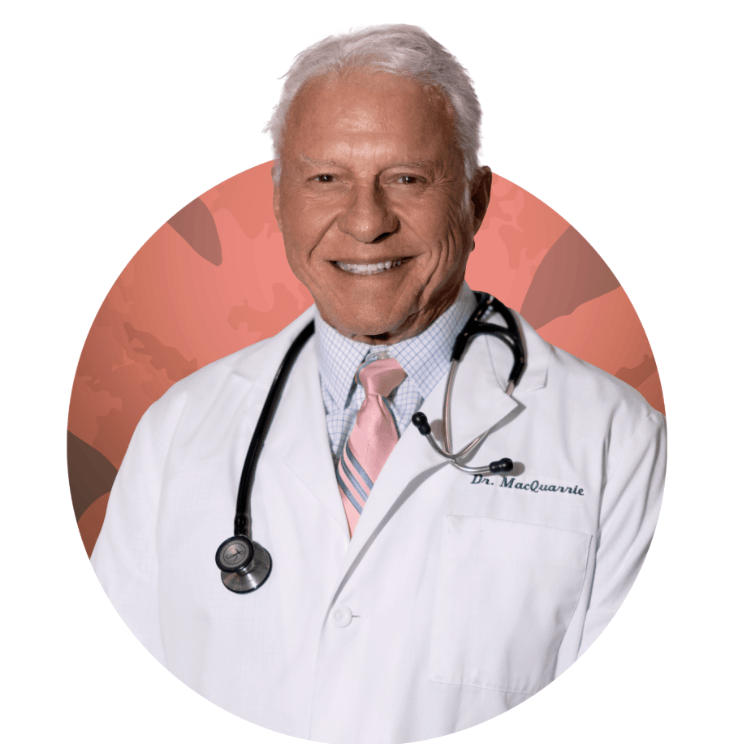
Medical Director, Dr. MacQuarrie’s unique background in emergency medicine, including his role as Medical Director at a prominent detox center located in San Francisco, has given him valuable insights into the acute medical needs of patients with substance use disorders.