
METH REHAB IN PETALUMA CA
Meth Addiction Treatment in Sonoma County, California
Whether you are struggling with methamphetamine use yourself or looking for help for someone you love, this page explains what meth addiction can do to a person, how treatment is structured, and what to expect from care at our Sonoma County location. Because meth addiction can escalate quickly and cause severe physical and psychological harm, effective, trauma-informed treatment is often the safest path to breaking the cycle and building lasting recovery.
Understanding Meth Addiction
Understanding Meth Addiction
 Crystal meth is a highly addictive stimulant that directly affects the central nervous system, dramatically affecting the brain's reward pathways and stress response. The drug creates intense euphoria, increased energy, and heightened focus. These intense feelings often reinforce repeated drug use. But this is often followed by severe crashes, cravings, feelings of anxiety, and emotional dysregulation.
Meth use often leads to:
- Insomnia and severe fatigue
- Weight loss and malnutrition
- Agitation, paranoia, or psychosis
- Anxiety and irritability
- Cognitive impairment and memory issues
- Mood swings and emotional instability
- Severe dental issues ("meth mouth")
- Cardiovascular stress
- Social withdrawal and isolation
Because meth drastically alters brain chemistry, this form of chemical dependency often becomes impossible to stop without professional help.
It should be noted that anyone can be affected by meth addiction. It doesn’t discriminate by age, race, income level, or previous substance use. Developing an addiction doesn’t mean that someone is dangerous or morally weak. It can happen to anyone. It is an act of strength and responsibility to reach out for help when you feel you’re becoming dependent on a substance.
Our Meth Addiction Treatment Program
Our Meth Addiction Treatment Program
After stabilization, clients move into personalized treatment plans that address the root causes of meth addiction. Our clinical team and multidisciplinary team work closely to address addiction and mental health needs together. We acknowledge that meth addiction is often intertwined with trauma, depression disorders, chronic stress, and/or emotional dysregulation. This approach, designed to treat the whole person and not just their symptoms, also supports care for co-occurring disorders and more comprehensive recovery.
Detox
Our medically supervised detox program is often the first step in recovery and includes medically supervised management of withdrawal symptoms. Clients are monitored every 30 minutes during detox. Medication-assisted treatment may be used when clinically appropriate to help taper off meth use.
Residential Treatment
A residential treatment program provides comprehensive care in a structured, supportive environment, with inpatient treatment stays typically lasting 30 to 90 days. Care includes individual psychotherapy, holistic therapies, and group sessions, with group therapy scheduled at least three times daily. Unlike a residential program, outpatient treatment and outpatient programs let clients attend therapy while living at home.
Medication-Assisted Treatment
Entering addiction treatment can be complicated if someone has recently stopped using substances. The body may still crave substances, or withdrawal symptoms may produce unpleasant side effects that may encourage the individual to seek out substances (simply to ease the pain). At Longhorn, we work to provide relief from these unfortunate side effects so that individuals can focus on healing in the present.
Dual-Diagnosis Treatment
Mental health conditions can complicate recovery from addiction. An individual may not feel able to cope with their symptoms in a healthy way, or sensations they previously attributed to substances may in fact be brought on by a different condition. If the person is self-medicating with addictive substances, there is a higher risk of relapse. Receiving treatment for both addiction and a mental health condition at the same time (known as a dual diagnosis) helps avoid negative outcomes and equips individuals with useful information that can help empower them.
How We Treat Meth Addiction
How We Treat Meth Addiction

Clients work with licensed therapists using evidence-based approaches including:
- Cognitive Behavioral Therapy (CBT): Individuals learn the connection between thoughts, beliefs, outcomes, and actions. This therapy modality focuses on taking action to interrupt toxic patterns so that individuals feel that they have more control over their lives and aren’t controlled by their addiction.
- Dialectical behavior therapy (DBT): Originally developed for treating borderline personality disorder (BPD), this modality helps to teach distress tolerance and the ability to manage extreme emotions.
- Somatic therapy: Trauma (and all life experiences) imprint themselves onto the body over time. Somatic experiencing helps with realigning the body and processing trauma in a way that helps with overall processing, allowing the person to go through treatment without feeling pressured or “stuck” in their traumatic experience.
Clients typically attend individual therapy sessions twice weekly. Group therapy formats build connection, reduce shame, and provide a supportive community. Family therapy helps in supporting family members through the recovery process, rebuilding trust, and setting healthy boundaries. All of these modalities may be employed as part of a comprehensive treatment plan.
Holistic Therapies
Healing from addiction isn’t just about stopping the use of substances. Holistic forms of physical healing from addiction help people reconnect with their bodies after periods of substance abuse. Our holistic approach supports brain recovery and nervous system healing through mind-body modalities of treatment.
These may include:
- Mindfulness and meditation: Learning to be present in the current moment helps with grounding and can help with overriding potentially harmful impulses.
- Art therapy and music therapy: Reconnection with oneself after a period of addiction may include dealing with difficult subjects or memories. Creating art and playing music are constructive methods for dealing with and integrating these feelings without needing to extensively explain them in a therapeutic setting.
- Nutrition and hydration support: Many people don’t take in the proper nutrients they need during periods of heavy substance use. At Longhorn, we work to help individuals reconnect with their bodies as they enter a new, healthier chapter of life.
- Sleep restoration: One effect of addiction that isn’t often discussed is its impact on sleep. We encourage and facilitate the restoration of healthy sleep as part of healing and equipping the individual for the process of recovery.
- Physical wellness training: Irregular physical activity and improper nutrition can lead to a lack of strength and/or separation from the physical body after a period of substance use. We work to help individuals restore their physical strength and awareness so that they feel equipped for the journey ahead.
These modalities each help rebuild cognitive clarity, emotional balance, and physical vitality.
About Our Methamphetamine Rehab Center in Sonoma County
About Our Methamphetamine Rehab Center in Sonoma County
At Longhorn Ridge Recovery, we provide comprehensive, trauma-informed care that addresses all aspects of meth addiction. Individuals can recover in a serene Sonoma County environment with experienced medical professionals, therapists, and addiction specialists.
Begin Meth Addiction Treatment in Sonoma County, CA
Begin Meth Addiction Treatment in Sonoma County, CA
At Longhorn Ridge Recovery, we are a California meth addiction treatment center and addiction treatment center offering comprehensive rehab programs in a serene Sonoma County setting with experienced medical professionals, therapists, and addiction specialists. After treatment, we support successful recovery with aftercare planning and meth addiction recovery resources designed for long-term recovery.
If you or a loved one is battling meth addiction, contact us today to start your journey to recovery. The care supplied may include a family program workshop held twice every month, along with other services that support family involvement. Our compassionate staff helps individuals overcome addiction and break free.










Does Insurance Cover Addiction Treatment?
We work with most PPO insurance plans, typically offered through your employer, to secure the best rate for comprehensive addiction treatment. Verify your insurance in under a minute to see your coverage options. All information provided is strictly confidential.





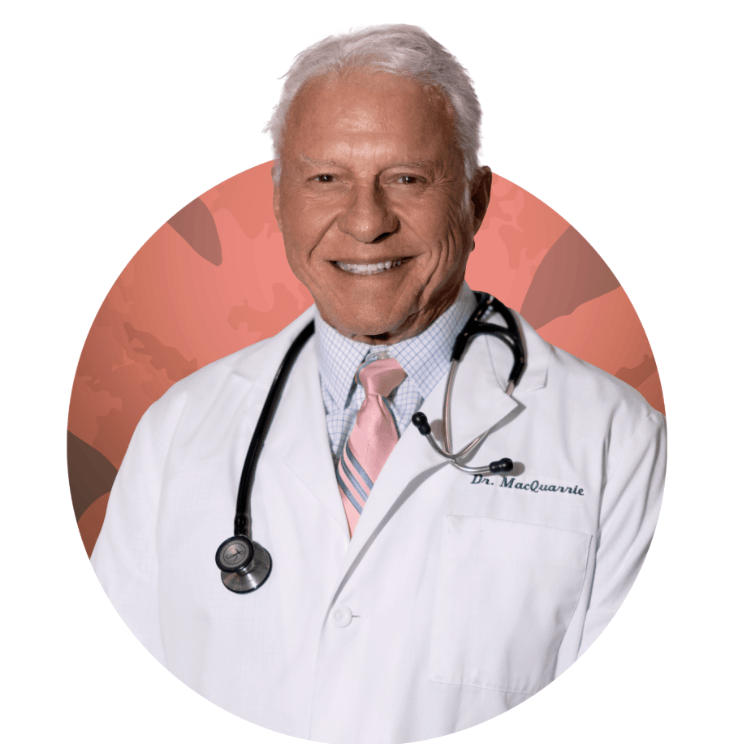
Medical Director, Dr. MacQuarrie’s unique background in emergency medicine, including his role as Medical Director at a prominent detox center located in San Francisco, has given him valuable insights into the acute medical needs of patients with substance use disorders.