
BIPOLAR DISORDER TREATMENT IN PETALUMA, CA
Treatment for Bipolar Disorder in Sonoma County, CA
At Longhorn Ridge Recovery, we offer a highly personalized, clinically advanced treatment designed to stabilize mood, restore balance, and provide long-term tools for emotional regulation. We treat bipolar I, bipolar II, and cyclothymic disorder occurring alongside substance use or trauma within our DHCS-licensed SUD program. Our treatment program options allow for individual planning, so you’re never stuck within a plan that doesn’t work for you
What Is Bipolar Disorder?
What Is Bipolar Disorder?
Bipolar disorder is a mental health condition characterized by significant shifts in mood and energy that go beyond typical emotional changes. The shifts may occur regardless of life circumstances and may be of different strength.
These shifts can take multiple forms, including:
- Manic Episodes: Elevated or irritable mood, increased energy, reduced need for sleep, racing thoughts, impulsivity, restlessness, increased productivity but decreased clarity, and risk-taking behavior are common during manic episodes.
- Hypomanic episodes: These usually involve similar symptoms as manic episodes, but are less severe and typically cause less disruption in daily functioning.
- Depressive Episodes: Depressive episodes may include low energy or fatigue, depressed mood, feeling hopeless or numb, loss of interest, difficulty concentrating, tearfulness, sleep disruption, increased anxiety, and thoughts of self-harm in severe cases.
- Mixed Episodes: Mixed episodes are the combination of manic and depressive symptoms occurring at the same time. This is often the most dangerous phase due to high energy combined with low mood.
At Longhorn Ridge Recovery, we help individuals understand their unique mood patterns and provide tools and treatment to regain stability safely.
Signs You May Need Treatment for Bipolar Disorder
Signs You May Need Treatment for Bipolar Disorder
Having bipolar disorder doesn’t mean that someone can’t live a happy or normal life. The condition doesn’t mean that someone is “crazy” or doomed to be dysfunctional. Healthy living just may take more diligence, some medication adjustments, and support from the people in their life.
Consider seeking help if you experience:
- Unpredictable mood swings
- Difficulty stabilizing on medications
- Episodes of depressive disruption or manic or hypomanic periods that interfere with work or relationships
- Trouble managing sleep cycles
- Impulsivity or risky behavior
- Emotional overwhelm or irritability
- Feelings of depression lasting weeks or months
- Panic
- Anxiety
- Sensory overload
- Increased stress intolerance
- Work burnout or inability to concentrate
- Substance use to soften symptoms
- Difficulty functioning without structure
If symptoms include thoughts of self-harm or immediate danger, the 988 Suicide & Crisis Lifeline is available 24/7 for immediate support.
The use of addictive substances can confuse or obscure symptoms of bipolar disorder. It’s essential to voice your concerns and be honest about any substances you’re using or have used in the past. There is no shame in asking for help with a mental health condition; many people in your life may be happy to help, and seeking help early may help you avoid the worst possible outcomes.
Bipolar Disorder’s Relationship With Addiction
While not everyone who has bipolar disorder will develop an addiction, they are considered at risk for substance abuse. People with bipolar disorder who have a history of addiction are more likely to experience mixed, manic, or hypomanic phases after experiencing a depressive episode.
People may use addictive substances to maintain a sense of control over their moods and energy levels. But this can obscure symptoms of bipolar disorder to the point where it’s hard to determine what is due to the condition versus substances or other factors. Dual diagnosis treatment addresses both bipolar disorder and substance abuse simultaneously, improving treatment outcomes.
Our Bipolar Disorder Treatment Program
Our Bipolar Disorder Treatment Program
We work to create a tranquil, luxurious environment at our treatment facility in Sonoma County, California. At Longhorn Ridge Recovery, we address individuals as a whole, instead of just treating symptoms. Our goal is to help individuals create stable and fulfilling lives that they can sustain outside of treatment.
Finding the right medication often takes trial and error, with long-term management allowing gradual adjustments over time. Stopping treatment suddenly can trigger withdrawal symptoms and a swift return of symptoms.
Individuals can participate in multiple therapy sessions weekly. The modalities can differ, but individuals may utilize cognitive behavioral therapy (CBT), DBT for emotional regulation, ACT for acceptance and identity work, and family therapy for repairing relationships.
Every modality of therapy focuses on different skills, combining to create a stable foundation for living healthily with bipolar disorder. These can include:
- Identifying triggers for manic or depressive episodes
- Building emotional regulation skills
- Managing stress and perfectionism as part of relapse prevention
- Healing unresolved trauma
- Strengthening boundaries and self-worth
Because bipolar disorder often impacts the nervous system, we make sure to facilitate reconnection with the physical body as part of comprehensive healing. We offer a range of holistic therapies that encourage this, including:
These help individuals with bipolar disorder reconnect with themselves and learn the impact of lifestyle changes on their mental health.
Bipolar disorder can often coexist with other disorders. Someone with bipolar disorder may also be living with anxiety disorders, depression disorders, attention-deficit hyperactivity disorder (ADHD), or substance use disorders, among other conditions. We treat all conditions simultaneously to encourage lasting sobriety.
Mood disorders can be heavily influenced by lifestyle changes. We help individuals create stability in their daily routines. These may include:
- Sleep schedules
- Healthy diet
- Physical activity
- Stress management
- Emotional self-care
- Healthy daily structure and routines
- Social boundaries
- Healthy technology use
Individuals leave with new tools to maintain personal balance and prevent unhealthy self-medication.
Start Bipolar Disorder Treatment at Longhorn Ridge Recovery in Sonoma County, CA
Start Bipolar Disorder Treatment at Longhorn Ridge Recovery in Sonoma County, CA
At Longhorn Ridge Recovery, we provide comprehensive bipolar disorder treatment and mental health support in a serene Sonoma County environment with board-certified psychiatrists, experienced therapists, and specialists who deliver advanced psychiatric care and intensive therapy with complete privacy and discretion.
If you or a loved one is among the people with bipolar disorder seeking help, contact us today to start your journey to recovery. Our team is here to provide the support and care needed to stabilize mood and restore balance.
Frequently Asked Questions
Frequently Asked Questions
Yes, bipolar disorder treatment is typically covered by most major insurance plans under mental health and substance use disorder benefits. Longhorn Ridge Recovery works with a wide range of insurers and our admissions team will verify your insurance coverage, explain any out-of-pocket costs, and handle the billing process for you.
Yes, bipolar disorder treatment is typically covered by most major insurance plans under mental health and substance use disorder benefits. Longhorn Ridge Recovery works with a wide range of insurers and our admissions team will verify your insurance coverage, explain any out-of-pocket costs, and handle the billing process for you.










Does Insurance Cover Addiction Treatment?
We work with most PPO insurance plans, typically offered through your employer, to secure the best rate for comprehensive addiction treatment. Verify your insurance in under a minute to see your coverage options. All information provided is strictly confidential.





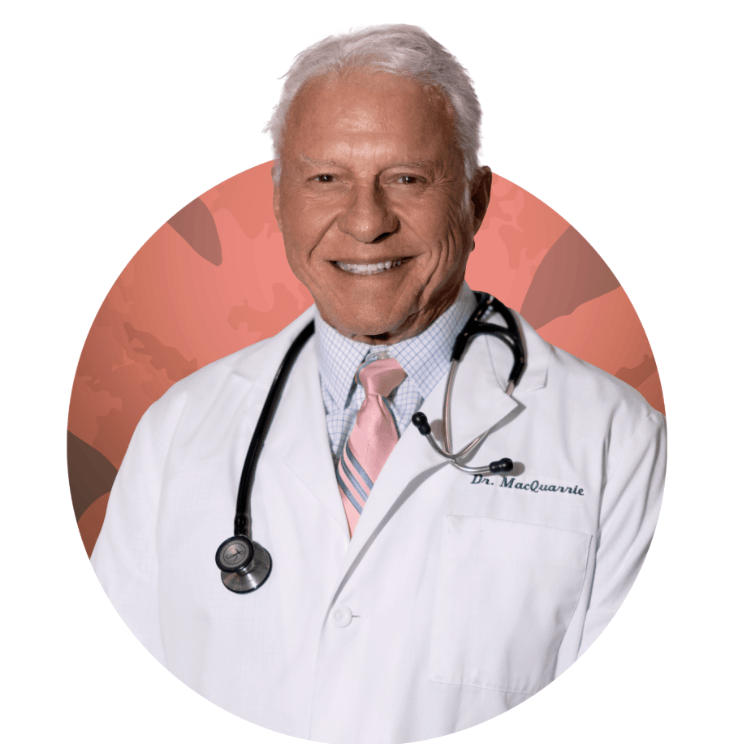
Medical Director, Dr. MacQuarrie’s unique background in emergency medicine, including his role as Medical Director at a prominent detox center located in San Francisco, has given him valuable insights into the acute medical needs of patients with substance use disorders.