
TRAUMA AND PTSD TREATMENT IN SONOMA COUNTY, CA
PTSD & Trauma Treatment in Sonoma County, CA
Whether trauma stems from childhood experiences, military service, relationships, sexual violence, medical events, or chronic stress, its effects can remain long after the event itself. We specialize in treating PTSD, Complex PTSD (C-PTSD), sexual trauma, acute trauma, chronic trauma, developmental trauma, and trauma combined with substance use or mental health conditions.
What Are Trauma and PTSD?
What Are Trauma and PTSD?
Trauma is any experience that overwhelms the nervous system's ability to cope. A traumatic event can trigger lasting trauma responses when the nervous system is overwhelmed. Trauma is not defined by the event itself, but by the emotional and physiological impact it leaves behind.
PTSD develops when trauma overwhelms the brain's ability to integrate the experience, leading to ongoing symptoms such as hypervigilance, panic, flashbacks, nightmares, avoidance, and emotional overwhelm as people relive what happened. PTSD affects 7-8% of the population at some point in life. About 60% of men and 50% of women experience at least one trauma in their lifetime.
Complex PTSD (C-PTSD) develops over time from repeated or long-term trauma such as childhood emotional neglect, physical or sexual abuse, abandonment, domestic violence, military trauma, prolonged exposure to chaos, or chronic invalidation.
At Longhorn Ridge Recovery, we recognize how trauma shapes the brain, body, and emotional world. We treat the whole system, not just the symptoms.
Mental Health Symptoms of PTSD and Trauma
Mental Health Symptoms of PTSD and Trauma
Trauma impacts the entire system. No matter the origin, trauma deserves careful, considerate care.
Emotional symptoms may include:
- Feelings of gear
- Panic
- Anxiety
- Irritability
- Anger
- Emotional numbness
- Shame
- Guilt
- Depression
- Hopelessness
- Emotional overwhelm
Cognitive symptoms may include:
- Flashbacks
- Intrusive memories
- Dissociation
- Difficulty with concentration
- Rumination
- Overthinking
- Negative beliefs about oneself or others
Behavioral symptoms may include:
- Avoidance of reminders
- Social withdrawal
- Isolation
- Difficulty with trust or intimacy
- People-pleasing behavior
- Hypervigilance
- Difficulty saying "no"
- Self-destructive forms of coping
Physical symptoms may include:
- Hypervigilance
- Sleep difficulties
- Nightmares
- Headaches
- Body tension
- Chronic pain
- Chronic fatigue
- Muscle tension
- Digestive issues
Many trauma survivors appear high-functioning on the outside while struggling internally. This is a pattern that can be especially common among professionals and leaders, and recovery often improves when people build community support as part of a stronger support network, which enhances emotional resilience in trauma recovery.
What to Expect in Our Trauma and PTSD Intensive Outpatient Program and Treatment Programs
What to Expect in Our Trauma and PTSD Intensive Outpatient Program and Treatment Programs
Every treatment journey for PTSD (and other forms of trauma) is different. What works for one person may not be helpful to another, which is why care may involve residential treatment, a partial hospitalization program, an intensive outpatient program, or outpatient treatment, depending on the level of support needed.
At Longhorn Ridge Recovery, we create a personalized treatment plan using tailored treatment programs that shift and adjust according to the person's needs, similar to the individualized approach leading treatment centers provide. Residential treatment provides 24/7 support, PHPs offer intensive therapy during the day, IOPs allow individuals to reside at home, and outpatient treatment is the most flexible option available, with transitional living offering a safe environment during treatment when appropriate.
Evidence-Based Trauma Therapy
Our trauma specialists provide comprehensive behavioral health services through evidence-based modalities that prioritize emotional safety and careful pacing, including:
- EMDR (Eye Movement Desensitization and Reprocessing): One of the most researched and effective treatments for processing traumatic memories and reducing emotional intensity
- Somatic Experiencing: Releases trauma stored in the body and nervous system
- Trauma-Focused CBT: Restructures harmful beliefs and thought patterns tied to traumatic events
- Internal Family Systems (IFS): Heals the internal parts affected by trauma
- Psychodynamic and Relational Therapy: Addresses trauma that impacts identity, attachment, and relationships
- Narrative Therapy: Helps individuals reclaim their story and identity
- Mindfulness-Based Stress Reduction: Builds emotional grounding and awareness
Care may also include individual therapy, group therapy, and medication management as part of a personalized treatment plan. When clinically appropriate, medication management may include FDA-approved SSRIs to ease anxiety and depression. For individuals needing integrated support, we also address dual-diagnosis needs through coordinated addiction treatment and evidence-based approaches to treating addiction.
All therapy is paced carefully to ensure stabilization and emotional safety. Our therapists work gently, ensuring individuals never feel rushed or overwhelmed. Treatment plans can also include regular individual therapy sessions, daily group therapy sessions, and, when appropriate, TMS for depression, which is FDA-cleared for depression treatment.
Somatic and Nervous System Regulation
Trauma is not only psychological, but physiological. Many survivors live in fight, flight, or freeze mode. We use a holistic approach that combines somatic work with holistic therapy treatments in a supportive environment, including:
- Somatic experiencing
- Breathwork and practicing meditation
- Trauma-sensitive yoga
- Massage therapy
- Acupuncture
- Nature therapy
- Grounding exercises
- Sensory work
- Art therapy
- Music therapy to support the healing process
Every treatment is designed to strengthen coping skills, rebuild self-esteem, reduce hypervigilance, restore internal safety, and soothe the body.
Compassionate Processing of Shame, Fear, and Self-Blame
Trauma often leaves survivors with painful internal narratives like "It was my fault," "I should have done something differently," "I can't trust myself." This is a normal and natural effect of trauma. We work to help individuals cope with lingering trauma effects and create better techniques for coping on an everyday level.
Treatment may also include family therapy and structured family therapy sessions when trauma has affected interpersonal relationships. This kind of family involvement can educate family members, strengthen the person’s support network, and improve connection during recovery, while peer support can also help individuals feel understood in the healing process.
Types of Trauma We Treat at Our Sonoma County Trauma Treatment Program
Types of Trauma We Treat at Our Sonoma County Trauma Treatment Program
We treat all forms of trauma, including:
- Childhood trauma (developmental and attachment trauma)
- Sexual trauma, assault, and abuse
- Domestic violence
- Physical assault or injury
- Medical or surgical trauma
- Traumatic grief and loss
- Military trauma and combat trauma
- Moral injury
- Accidents or disasters
- Relationship trauma, betrayal, abandonment
- Trauma related to addiction or family dysfunction
- Workplace or leadership trauma
- Complex PTSD (C-PTSD)
Start Healing From PTSD and Trauma in Sonoma County, CA
Start Healing From PTSD and Trauma in Sonoma County, CA
At Longhorn Ridge Recovery, we are one of the California PTSD treatment centers providing comprehensive treatment services in a serene Petaluma setting, with trauma specialists who deliver evidence-based therapy, psychiatric support for dual diagnosis and other co-occurring disorders when relevant, somatic healing, and compassionate care with complete privacy, respect, and clinical sophistication.
If you or a loved one is struggling with PTSD or trauma of any kind, contact us today to start your journey to recovery. Our team is here to provide the support and care needed to heal and rebuild in safety, within a supportive environment for you and the people closest to you.










Does Insurance Cover Addiction Treatment?
We work with most PPO insurance plans, typically offered through your employer, to secure the best rate for comprehensive addiction treatment. Verify your insurance in under a minute to see your coverage options. All information provided is strictly confidential.





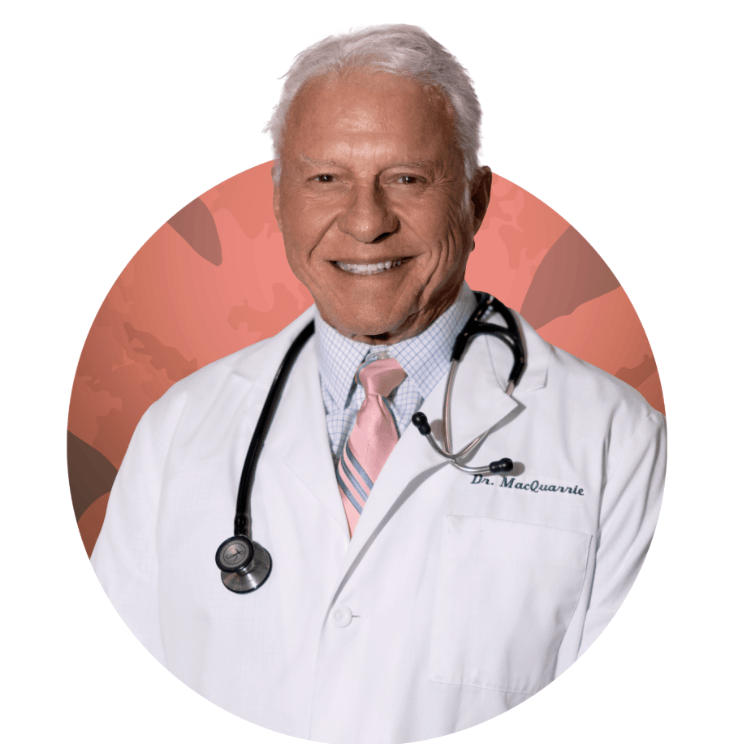
Medical Director, Dr. MacQuarrie’s unique background in emergency medicine, including his role as Medical Director at a prominent detox center located in San Francisco, has given him valuable insights into the acute medical needs of patients with substance use disorders.