
FENTANYL TREATMENT CALIFORNIA IN PETALUMA
Fentanyl Rehab in Sonoma County, California
What is Fentanyl?
What is Fentanyl?
Fentanyl is an extremely addictive synthetic opioid, identified by the National Institute on Drug Abuse (NIDA) as a major contributor to the opioid crisis. Classified as a form of drug addiction and medically recognized as opioid use disorder, fentanyl addiction is a chronic, complex condition requiring specialized treatment. Fentanyl is approximately 50 times stronger than heroin and 100 times stronger than morphine, and is far more deadly than heroin. A lethal dose can be as little as 2mg.
Synthetic opioids like fentanyl are a major driver of overdose deaths. This dangerous substance frequently causes individuals to spiral into drug dependency, leading them to lose control of their personal and professional lives while experiencing compromised physical and mental health. The substance can be smoked, snorted, or taken orally. It is frequently mixed with heroin and other substances and can trigger an overdose or death.
Fentanyl overdose can cause respiratory failure (a severe and potentially fatal consequence of opioid use) along with shallow breathing, brain damage, and death. Individuals use it to experience euphoria, relaxation, and pain relief, but the risks are severe.
How Do I Know I Need Rehab for Fentanyl Addiction?
How Do I Know I Need Rehab for Fentanyl Addiction?
 Someone in need of fentanyl rehab may not be certain they’ve reached the stage of requiring professional help. Fentanyl addiction compromises cognitive abilities, making it challenging to recognize the need for treatment. Some of the most common signs of fentanyl addiction include pinpoint pupils, drowsiness, shallow breathing, nausea, and track marks if injected. Recognizing these common signs early can be crucial for timely intervention and treatment.
You might require professional help if:
- You have difficulty thinking, concentrating, and making decisions
- You experience slurred speech and mood swings
- You’re sleeping excessively
- You’re hiding drug usage from others and isolating
- You experience nausea and vomiting
- You notice pinpoint pupils, shallow breathing, or track marks if injecting fentanyl
- You’ve attempted to stop using fentanyl on your own and failed
- You experience withdrawal symptoms when out of fentanyl
- You’re obtaining fentanyl from multiple or illegal sources
Psychological signs such as mood swings, anxiety, feelings of depression, or irritability when unable to use fentanyl are also common. Social indicators include withdrawal from loved ones, financial strain, legal issues, and even job loss due to drug-related activities. The impact on relationships with a loved one can be significant, making support from loved ones essential during recovery.
When someone ingests a large dosage of fentanyl, their breathing slows down, which can cause the brain to receive inadequate oxygen and result in brain damage or death. Even one use can cause a fatal overdose. If this sounds familiar, our admissions team can help—call today or verify your insurance to take the first step toward treatment.
How Our Fentanyl Addiction Treatment Program Works
How Our Fentanyl Addiction Treatment Program Works
Our evidence-based treatment program for fentanyl addiction in California offers comprehensive addiction treatment through structured treatment programs designed to address both the physical and psychological aspects of fentanyl dependency.
Fentanyl addiction treatment typically begins with medical detox and stabilization, which safely removes fentanyl from the body and manages withdrawal symptoms. The average duration of treatment includes approximately 10 days of detox followed by about 20 days of residential programming, ensuring a thorough and supportive recovery process. For those needing more flexibility, we also offer outpatient programs, tailored outpatient treatment plans that allow clients to maintain daily responsibilities while receiving effective addiction care.
Detox and Medication-Assisted Treatment
Detox and Medication-Assisted Treatment
Residential Treatment
Residential Treatment
Once detox is complete, individuals transition to residential treatment with round-the-clock care in a comfortable environment while participating in a comprehensive range of therapeutic interventions. This phase includes dual diagnosis care for clients with co-occurring mental health conditions, ensuring that both addiction and co-occurring disorders such as depression, anxiety, and trauma are addressed.
Residential Treatment incorporates evidence-based therapies like Cognitive Behavioral Therapy (CBT), Dialectical Behavior Therapy (DBT), and trauma-informed care. Clients engage in individual therapy, group therapy, and holistic therapies as part of a holistic healing approach that supports overall mental health and long-term recovery.
Fentanyl Rehab Therapies and Dual Diagnosis Support
Fentanyl Rehab Therapies and Dual Diagnosis Support
 Our fentanyl rehab in California offers a comprehensive range of evidence-based treatment options and therapeutic interventions to support recovery, identify stressors, and develop healthy coping skills. These include:
- Individual Therapy
- Group Therapy
- Family Therapy
- Holistic Therapies
- Medication Management
- Somatic Therapy
- Trauma-Informed Care
Our evidence-based approach incorporates therapies such as Cognitive Behavioral Therapy (CBT), Dialectical Behavior Therapy (DBT), and trauma-informed modalities. By integrating individual therapy, group therapy, family therapy, holistic therapies, and medication management, we address both addiction and co-occurring mental health issues, promoting emotional healing and long-term well-being.
Begin Your Lasting Recovery at Longhorn Ridge Recovery in Petaluma, CA
Begin Your Lasting Recovery at Longhorn Ridge Recovery in Petaluma, CA
Do you struggle with fentanyl addiction and don’t know where to turn? Longhorn Ridge Recovery understands the challenges that fentanyl addiction and substance abuse create, and how they can impact lives physically, emotionally, and mentally.
Our dedicated medical professionals bring years of expertise in addiction treatment, providing compassionate care to individuals through comprehensive treatment programs tailored to individual needs.
Contact us today for a confidential consultation and discover how we can support you or someone you love. Our admissions team can answer your questions, assist with insurance verification, and let you know that we accept most insurance plans, including Medi-Cal.
https://nida.nih.gov/research-topics/fentanyl
https://nida.nih.gov/research-topics/opioids
https://www.cdc.gov/mmwr/volumes/74/wr/mm7410a3.htm
https://www.osc.ny.gov/reports/continuing-crisis-drug-overdose-deaths-new-york
https://www.cdc.gov/stop-overdose/caring/fentanyl-facts.html










Does Insurance Cover Addiction Treatment?
We work with most PPO insurance plans, typically offered through your employer, to secure the best rate for comprehensive addiction treatment. Verify your insurance in under a minute to see your coverage options. All information provided is strictly confidential.





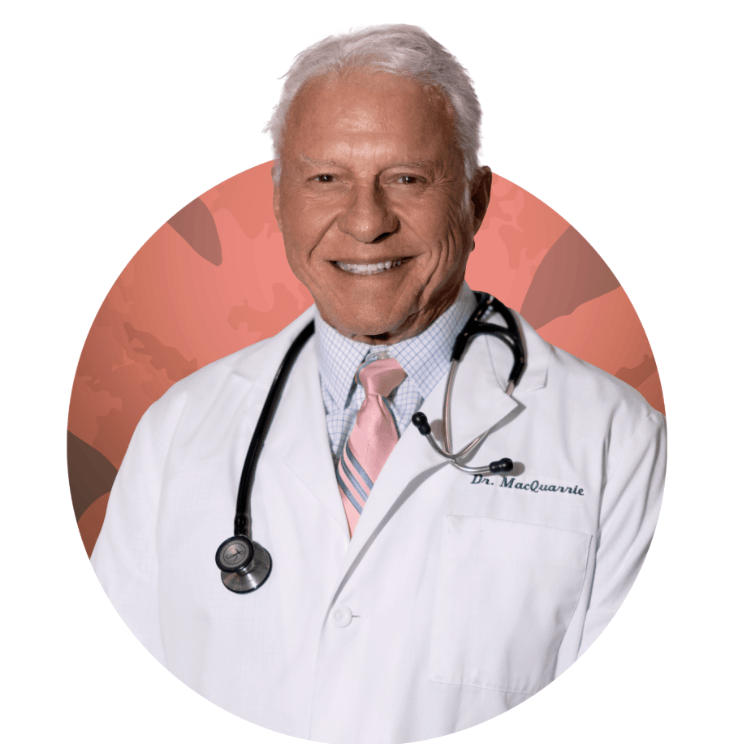
Medical Director, Dr. MacQuarrie’s unique background in emergency medicine, including his role as Medical Director at a prominent detox center located in San Francisco, has given him valuable insights into the acute medical needs of patients with substance use disorders.