
GRIEF AND LOSS TREATMENT IN PETALUMA, CA
Grief and Loss Treatment at Longhorn Ridge Recovery
Grief doesn't follow a timeline. It doesn't move in predictable stages. And it doesn't only show up when someone dies.
You might be grieving a marriage that ended, a career that collapsed, a diagnosis that changed everything, or a version of yourself that no longer exists. You might be mourning a parent you lost decades ago—or one who's still alive but was never truly there. Grief takes countless forms, and every single one of them is valid.
When Grief Gets Stuck
When Grief Gets Stuck
Most people expect grief to hurt. What they don't expect is for it to take over their lives.
Unprocessed grief can show up as chronic depression, anxiety that won't ease, anger that seems to come from nowhere, or a persistent numbness that makes it hard to feel anything at all. It can disrupt sleep, destroy focus, strain relationships, and drain every ounce of motivation.
For some, grief becomes the hidden driver behind addiction. Alcohol softens the edges. Pills create distance from the pain. Substances offer temporary relief from a loss that feels impossible to face. But avoidance only delays the inevitable—and often makes the grief heavier over time.
If you've been unable to move forward, it's not because something is wrong with you. It's because grief needs to be witnessed, honored, and worked through—not just waited out.
The Many Faces of Loss
The Many Faces of Loss
Our culture tends to recognize only certain kinds of grief as legitimate. But loss comes in many forms, and all of them deserve acknowledgment:
• Death of a loved one — spouse, parent, child, sibling, friend
- End of a relationship — divorce, breakup, estrangement
- Loss of health — chronic illness, injury, disability, aging
- Career loss — job termination, retirement, business failure
- Loss of identity — empty nest, life transitions, loss of purpose
- Traumatic loss — sudden death, suicide, violence, accidents
- Ambiguous loss — a loved one with dementia, addiction, or mental illness
- Loss of what never was — the childhood you deserved, the parent you needed, the life you planned
Whatever form your grief takes, it belongs here. You don't have to justify your pain or compare it to anyone else's.
Our Approach to Grief
Our Approach to Grief
Healing from grief isn't about "getting over it" or finding closure. It's about learning to carry the loss in a way that allows you to keep living fully. Our clinical team supports this process with compassionate, individualized care:
Individual Therapy
A private space to explore your grief at your own pace. Your therapist will help you process the emotions, memories, and meaning attached to your loss—without rushing you toward resolution.
Trauma-Informed Care
Loss and trauma often intertwine. If your grief involves sudden death, violence, or other traumatic circumstances, we provide specialized support to help you process both the loss and the trauma surrounding it.
Somatic Therapies
Grief lives in the body. Heavy chest, tight throat, exhaustion that sleep doesn't fix. Somatic approaches help you release physical tension and reconnect with your body as part of the healing process.
Group Therapy
There's something powerful about grieving alongside others who understand. Group work reduces isolation and reminds you that you're not alone in your pain.
Mindfulness and Meditation
Learning to be present with difficult emotions—without being overwhelmed by them—is a crucial skill for moving through grief.
Holistic Therapies
Nature immersion, art, movement, and other experiential approaches offer ways to process grief that words alone cannot reach.
Grief and Addiction
Grief and Addiction
Loss is one of the most common triggers for substance use. When the pain feels unbearable, numbing it makes sense—at least in the moment.
But substances don't heal grief. They freeze it in place. And when the numbing wears off, the loss is still there, often accompanied by new problems: dependence, health consequences, damaged relationships, shame.
At Longhorn Ridge Recovery, we specialize in dual diagnosis treatment. If you've been using substances to cope with grief, we address both issues together—helping you process the loss while building healthier ways to manage pain. Co-occurring mental health disorders are treated within the DHCS-licensed SUD program.
Why Residential Treatment for Grief?
Why Residential Treatment for Grief?
Grief work requires space. Space to feel. Space to fall apart. Space to put yourself back together differently than before.
In the demands of daily life, that space rarely exists. There are obligations to meet, people who need you, expectations to uphold. Residential treatment at Longhorn Ridge offers time away from all of that—a chance to fully inhabit your grief without the pressure to perform normalcy.
Our Petaluma rehab provides a peaceful, private environment where healing can unfold naturally. Chef-prepared meals, comfortable accommodations, and compassionate staff take care of the details so you can focus on what matters most.
Learning to Live Again
Learning to Live Again
Grief changes you. There's no going back to who you were before the loss—and that's not the goal. The goal is to integrate the loss into your life in a way that allows you to move forward with meaning, connection, and even joy.
This doesn't mean forgetting. It doesn't mean the pain disappears. It means learning to hold both the grief and the life that continues alongside it.
At Longhorn Ridge Recovery, we walk with you through this process—honoring what you've lost while helping you discover what's still possible.
Reach out today. Let's talk about what recovery could look like for you.
Reach out today. Let's talk about what recovery could look like for you.










Does Insurance Cover Addiction Treatment?
We work with most PPO insurance plans, typically offered through your employer, to secure the best rate for comprehensive addiction treatment. Verify your insurance in under a minute to see your coverage options. All information provided is strictly confidential.





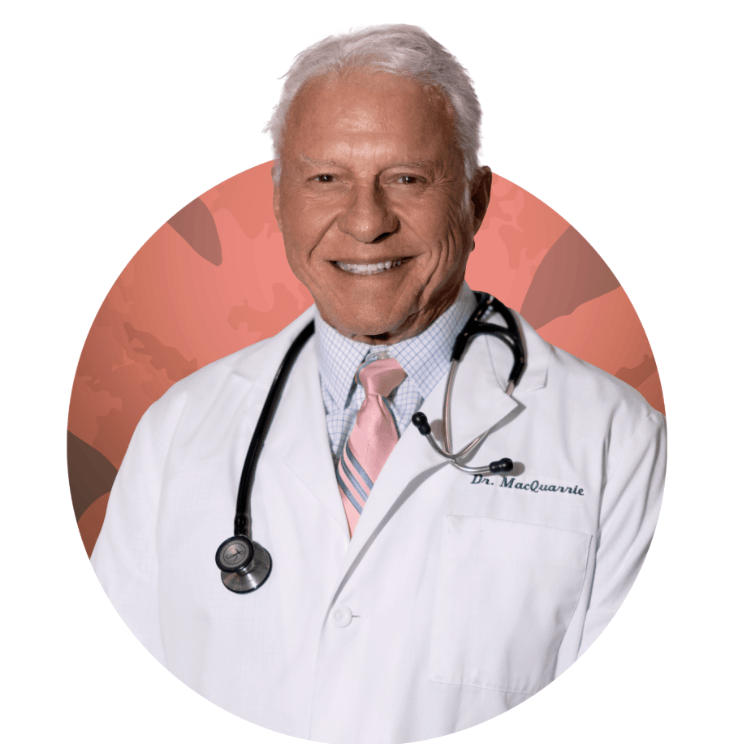
Medical Director, Dr. MacQuarrie’s unique background in emergency medicine, including his role as Medical Director at a prominent detox center located in San Francisco, has given him valuable insights into the acute medical needs of patients with substance use disorders.