
ART THERAPY FOR ADDICTION IN PETALUMA, CA
Art Therapy for Addiction in Sonoma County, California
Not everything can be put into words. Some experiences are too painful, too confusing, or too deeply buried to access through conversation alone. Art offers another way—a way to express what language can't capture, to externalize what's been trapped inside, and to discover truths about yourself that your conscious mind hasn't yet recognized.
Why Art Heals
Why Art Heals
The creative process engages the brain differently than talking or thinking. It bypasses the defenses, the rationalizations, the carefully constructed narratives we tell ourselves. When you pick up a brush, shape clay, or arrange colors on a page, something authentic emerges—often surprising even you.
Art Therapy can support recovery by:
Accessing buried emotions: Feelings that have been suppressed, avoided, or numbed often surface through creative expression. Art gives them form and makes them workable.
Processing trauma nonverbally: Trauma is stored in the body and the implicit memory system, not just in words. Art provides a way to approach painful material without requiring verbal recounting before you're ready.
Reducing stress and anxiety: The act of creating is inherently calming. It focuses attention, slows racing thoughts, and activates the parasympathetic nervous system.
Building self-awareness: What you create often reveals things about your inner world—patterns, conflicts, desires—that you weren't consciously aware of.
Restoring identity: Addiction strips away hobbies, passions, and creativity. Art Therapy helps you reconnect with the person you were before substances took over—or discover parts of yourself you never knew existed.
What Happens in Art Therapy
What Happens in Art Therapy
Art Therapy at Longhorn Ridge is facilitated by trained professionals who understand how to use creative processes therapeutically. Sessions are structured to support your healing goals while leaving room for exploration and discovery.
You might experience:
• Drawing and painting — Using color, line, and form to express emotions, explore memories, or simply be present with the creative process.
- Collage work — Assembling images, words, and textures to create visual representations of your inner experience, your recovery journey, or your hopes for the future.
- Sculpture and clay work — Working with three-dimensional materials to externalize feelings, release tension, or create symbolic representations of your experience.
- Journaling with visual elements — Combining writing with drawing, color, or imagery to deepen self-reflection.
- Guided imagery and art — Using visualization exercises followed by creative expression to access deeper layers of awareness.
- Group art experiences — Collaborative projects that build connection, trust, and shared meaning with others in treatment.
There are no grades, no critiques, no expectations of talent. The value lies in the process, not the product.
You Don't Have to Be an Artist
You Don't Have to Be an Artist
This is the most important thing to understand: Art Therapy has nothing to do with artistic ability. You don't need to know how to draw. You don't need to have touched a paintbrush since elementary school. You don't need to create anything "good."
In fact, letting go of the need to produce something impressive is part of the healing. Art Therapy invites you to create freely, without judgment—something most of us haven't done since childhood. That freedom itself is therapeutic.
Many clients who resist Art Therapy at first—convinced they're "not creative"—end up finding it one of the most powerful parts of their treatment. The people who think they have nothing to express often have the most waiting to come out.
Art Therapy and Addiction
Art Therapy and Addiction
Addiction silences authentic self-expression. It narrows life down to one thing: obtaining and using the substance. Creativity, curiosity, and play disappear. Many people in active addiction feel like hollow versions of themselves—going through the motions but disconnected from anything real.
Art Therapy reverses this process. It reopens channels of expression that have been closed. It reconnects you with your inner world. It reminds you that you have something to say, something to feel, something to contribute—beyond the addiction that tried to define you.
Creating something with your own hands also builds self-esteem. Watching an image emerge from a blank page, shaping raw materials into form—these experiences counter the shame and worthlessness that addiction breeds.
Art Therapy and Trauma
Art Therapy and Trauma
Traumatic experiences are often stored as images, sensations, and fragments rather than coherent narratives. This is why trauma can be so hard to talk about—the words don't quite fit, or the memories aren't organized in a way that language can capture.
Art speaks the language of trauma. It allows fragmented experiences to take form on paper or canvas. It externalizes what's been trapped inside, making it visible, workable, and eventually integrable.
For clients who feel stuck in traditional talk therapy—or who find verbal processing retraumatizing—Art Therapy offers a gentler, often more effective pathway into the material that needs healing.
A Different Kind of Expression
A Different Kind of Expression
At Longhorn Ridge Recovery, Art Therapy is integrated with our full spectrum of clinical care. It complements individual therapy, group work, somatic approaches, and other experiential modalities to create a treatment experience that engages the whole person.
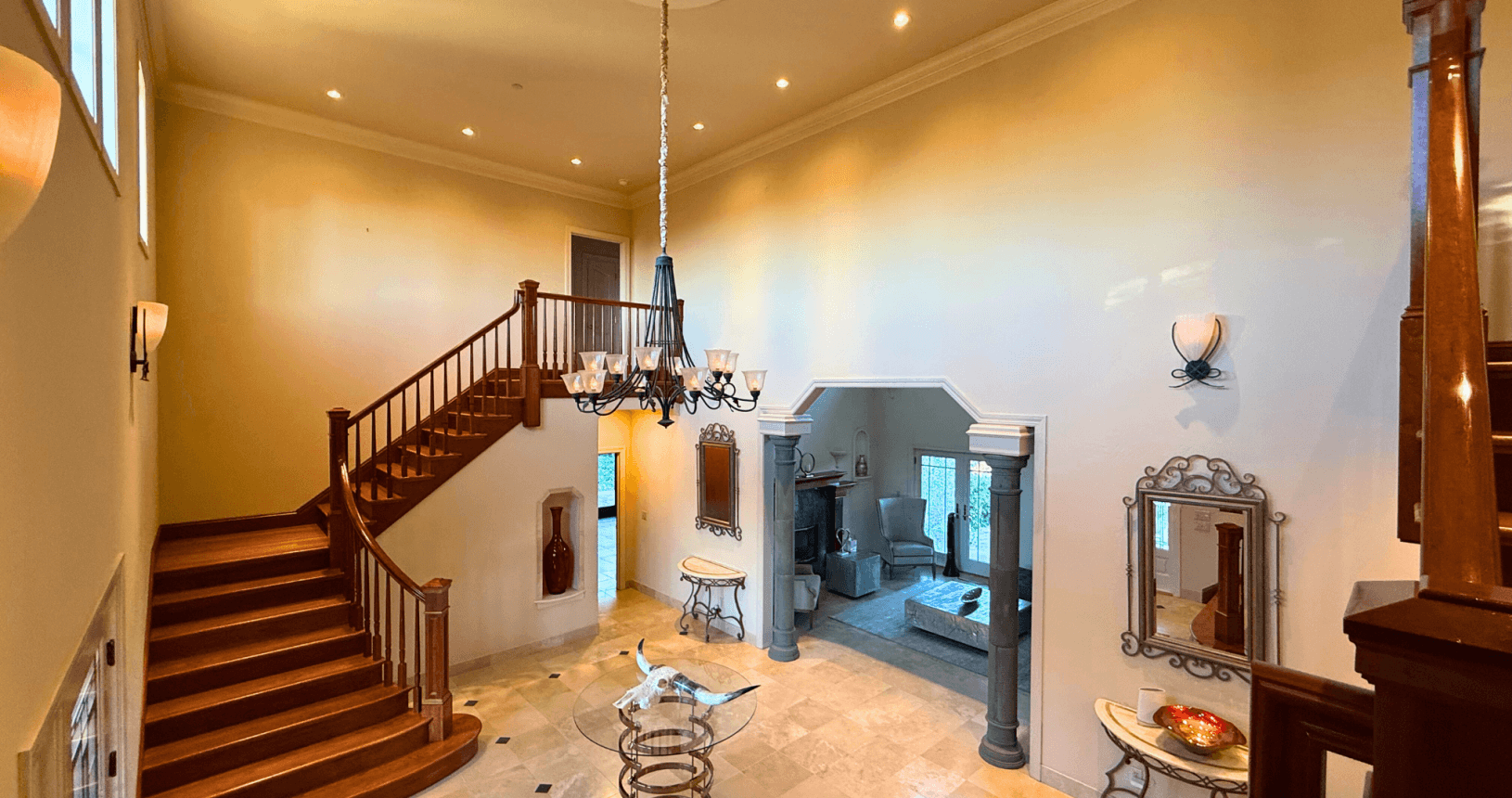
Our Petaluma setting provides a peaceful, inspiring environment for creative work. Away from the demands of daily life, you have space to slow down, turn inward, and let something authentic emerge.
Many clients take their artwork home with them—visual records of their journey that continue to hold meaning long after treatment ends.
Create Your Way Forward
Create Your Way Forward
You have more inside you than you know. Let art help you discover it.
Contact Longhorn Ridge Recovery today for a confidential consultation.








Does Insurance Cover Addiction Treatment?
We work with most PPO insurance plans, typically offered through your employer, to secure the best rate for comprehensive addiction treatment. Verify your insurance in under a minute to see your coverage options. All information provided is strictly confidential.





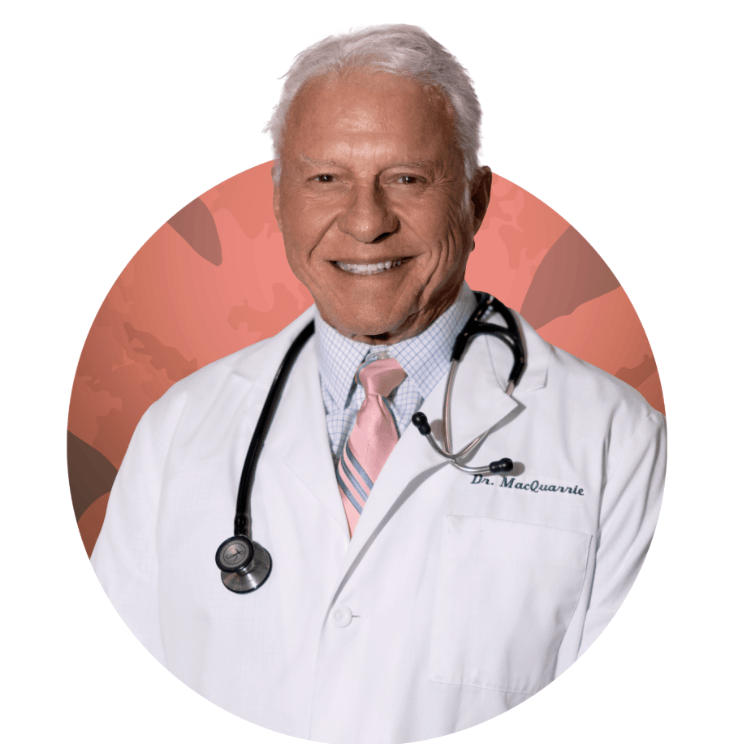
Medical Director, Dr. MacQuarrie’s unique background in emergency medicine, including his role as Medical Director at a prominent detox center located in San Francisco, has given him valuable insights into the acute medical needs of patients with substance use disorders.