THERAPY FOR ADDICTION
Addiction Therapy Services in Sonoma County, California
Therapy for addiction is one of the most important steps a person can take toward lasting recovery. It helps people understand why they use substances, learn healthier ways to cope, and rebuild their lives from the inside out. Without structured, professional therapy, many people struggle to maintain sobriety long-term. At Longhorn Ridge Recovery, real healing happens when treatment is built around the whole person and not just the addiction. Our addiction treatment programs in Sonoma County, CA are designed to meet each client where they are and walk with them toward a life they want to live.
Our Philosophy: Treating the Whole Person in Recovery
Our Philosophy: Treating the Whole Person in Recovery
At Longhorn Ridge Recovery, addiction is understood as something that affects the mind, body, and spirit, and effective treatment must address all three. Our philosophy is rooted in the idea that every person who walks through our doors deserves care that is personal, dignified, and evidence-based.
We work with adults who are ready to make a change, many of whom are professionals navigating alcohol dependency and co-occurring mental health challenges. Our intimate residential setting allows us to provide a level of attention and care that larger facilities simply cannot match. Our team takes the time to understand each client's history, goals, and what has or has not worked before. From there, we build a treatment plan that fits the individual, not a generic program template.
Therapy Programs at Longhorn Ridge Recovery
Therapy Programs at Longhorn Ridge Recovery
Art therapy offers a creative space for clients to explore feelings, process difficult experiences, and build self-awareness through visual expression. Led by trained therapists, art therapy sessions are clinically grounded and integrated into the broader treatment plan. Art therapy can help restore an individual’s sense of self by exploring creativity and nonverbal expression.
One-on-one sessions with a licensed clinician form the backbone of every treatment plan at Longhorn Ridge. Individual therapy provides a private, consistent space for clients to explore the thoughts, patterns, and experiences that drive their substance use. Sessions are tailored to each person's clinical needs and adapted as treatment progresses.
Addiction and trauma are frequently stored in the body as much as in the mind. Somatic therapy works through body-based techniques to release tension, process emotional experiences, and restore the connection between mind and body. This approach is particularly effective for clients dealing with trauma alongside substance use.
Holistic therapy at Longhorn Ridge integrates complementary approaches alongside clinical care. This supports whole-person healing by addressing how spiritual, physical, and mental health connect. Services include equine therapy, acupuncture, breathwork, and additional modalities chosen to address the deeper layers of stress, disconnection, and trauma that often underlie addiction.
Physical health and mental health are deeply connected. Fitness programming at Longhorn Ridge includes structured exercise and personal training designed to restore physical well-being, reduce stress, and support mood regulation throughout recovery. Clients work with fitness professionals in a setting built for comfort and motivation.
Substance use takes a significant toll on the body, and nutrition support is a core part of the recovery experience at Longhorn Ridge. Personal chefs prepare tailored meal plans designed to restore physical health and support the cognitive and emotional demands of early recovery. Clients also receive wellness education to build sustainable healthy habits.
Meditation therapy teaches clients how to regulate the nervous system, manage cravings, and reduce reactivity. Regular mindfulness and meditation practice builds the capacity to pause, observe, and respond thoughtfully rather than reactively, skills that are essential to long-term sobriety.
Music therapy uses structured, evidence-based musical experiences to support emotional processing, self-expression, and stress reduction. For many clients, music provides a therapeutic outlet that bypasses verbal barriers and opens new pathways for healing. This therapy helps regulate the nervous system, process trauma, and connect with other music lovers, fostering a sense of community.
Art therapy offers a creative space for clients to explore feelings, process difficult experiences, and build self-awareness through visual expression. Led by trained therapists, art therapy sessions are clinically grounded and integrated into the broader treatment plan. Art therapy can help restore an individual’s sense of self by exploring creativity and nonverbal expression.
How Therapy Supports Recovery
How Therapy Supports Recovery

Addiction therapy does more than help people stop using substances. It helps people understand the root causes of their addiction and develop the tools they need to stay well long after treatment ends. Behavioral therapies are among the most effective treatments available for substance use disorders. People who engage in structured therapy during treatment have better long-term outcomes.
Therapy also helps rebuild relationships, restore self-worth, and create a sense of purpose. For many clients, it is the first time they have felt truly heard and supported in their recovery journey. Longhorn Ridge’s integrated approach to dual-diagnosis treatment ensures that co-occurring mental health conditions are addressed alongside substance use, improving outcomes for the whole person. Other key benefits include:
- Therapy reduces the risk of relapse by building practical coping skills.
- It addresses co-occurring conditions like chronic anxiety, depression-based conditions, and trauma.
- It helps clients reconnect with their values and long-term goals.
- Group therapy builds community and reduces isolation.
How Therapy Supports Recovery
How Therapy Supports Recovery
Addiction therapy does more than help people stop using substances. It helps people understand the root causes of their addiction and develop the tools they need to stay well long after treatment ends. Behavioral therapies are among the most effective treatments available for substance use disorders. People who engage in structured therapy during treatment have better long-term outcomes.
Therapy also helps rebuild relationships, restore self-worth, and create a sense of purpose. For many clients, it is the first time they have felt truly heard and supported in their recovery journey. Longhorn Ridge’s integrated approach to dual-diagnosis treatment ensures that co-occurring mental health conditions (such as anxiety, depression, and PTSD) are addressed alongside substance use, improving outcomes for the whole person. Other key benefits include:
- Therapy reduces the risk of relapse by building practical coping skills.
- It addresses co-occurring conditions like anxiety, depression, and trauma.
- It helps clients reconnect with their values and long-term goals.
- Group therapy builds community and reduces isolation.
Why Choose Longhorn Ridge Recovery
Why Choose Longhorn Ridge Recovery
Choosing the right treatment center is one of the most important decisions a person or their loved ones will make. Not all programs are created equal, and the environment where healing happens matters deeply. Longhorn Ridge Recovery was built for adults who are serious about recovery and deserve a setting that reflects that commitment.
Benefits of our treatment programs include:
- Intimate residential setting: Our limited capacity means every client receives focused, individualized attention and is never treated as just a number.
- High staff-to-client ratio: Our team has the time and bandwidth to truly know each client, their history, and their progress.
- Fully on-site therapy services: From somatic therapy to art therapy, everything a client needs is available in one place without the disruption of off-site appointments.
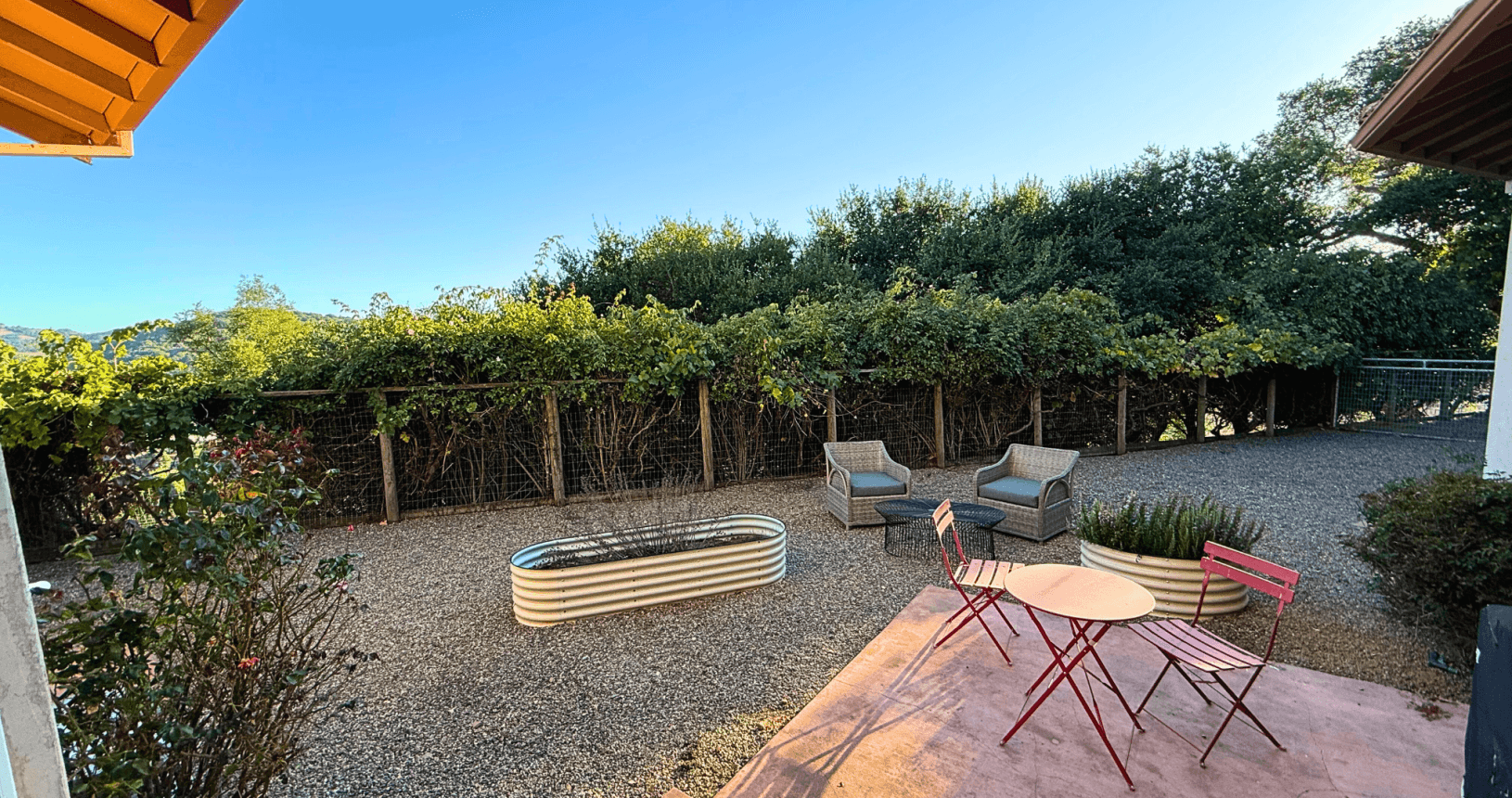
- Sonoma County location: Our beautiful facility offers a calm, restorative environment away from daily stressors, surrounded by the natural beauty of Northern California.
- Joint Commission accredited: Longhorn Ridge meets the highest standards of care in behavioral health treatment, providing clients and families with confidence in the quality of services delivered.
- Dual diagnosis expertise: We have deep experience working with clients navigating co-occurring mental health and substance use disorders, and we understand the complexities that come with that.
Take the First Step Toward Recovery
Take the First Step Toward Recovery

If you or someone you love is struggling with addiction, you do not have to figure it out alone. Longhorn Ridge Recovery is here to help you move from where you are now to where you want to be. Our team is ready to answer your questions and walk you through what treatment could look like for you. Verify your insurance online, or contact our admissions team today to take the first step toward a life in recovery.
Frequently Asked Questions About Addiction Therapy in Sonoma County, CA
Frequently Asked Questions About Addiction Therapy in Sonoma County, CA








Does Insurance Cover Addiction Treatment?
We work with most PPO insurance plans, typically offered through your employer, to secure the best rate for comprehensive addiction treatment. Verify your insurance in under a minute to see your coverage options. All information provided is strictly confidential.