
CHILDHOOD TRAUMA TREATMENT IN SONOMA COUNTY, CA
Childhood Trauma Treatment in Sonoma County, CA
If you've experienced childhood trauma, childhood abuse, neglect, or other adverse childhood experiences (or you’re one of the family members trying to understand how those past events still affect adult life), you’re not alone. It’s not a weakness to seek help with childhood trauma. It’s a responsible reaction to things becoming difficult, and it’s an act of love to yourself and others to resolve ongoing issues.
Understanding Childhood Trauma
Understanding Childhood Trauma
Childhood trauma can involve any experience that overwhelms a child's ability to cope or feel safe.
These experiences may be obvious and dramatic or subtle and chronic. Some people don’t experience adverse effects from childhood trauma until decades down the line, when they realize the truth of what happened during their childhood. This is a valid reaction and doesn’t mean that the person’s trauma “isn’t real” or doesn’t matter as much as trauma that affects a person from childhood.
Events that may cause childhood trauma include:
- Physical, emotional, or sexual abuse
- Neglect or inconsistent caregiving
- Parental substance use or mental illness
- Domestic violence
- Loss of a parent or loved one
- Abandonment or attachment disruption
- Being raised in chaotic or unpredictable environments
- Bullying or social trauma
- Medical or hospitalization trauma
- Excessive pressure, criticism, or control
Because children lack the emotional and cognitive skills to process distress, trauma often becomes stored in the body and nervous system. The impact often continues into adulthood in ways that individuals may not immediately recognize.
Childhood experiences shape far more than memory. They can drive negative thought patterns, unhelpful beliefs, physical symptoms, relationship struggles, panic attacks, and vulnerability to other mental health issues that disrupt daily life. Trauma-focused therapies help people process traumatic memories, as well as how trauma and substance use overlap — which is why many people seek addiction treatment in Sonoma County alongside trauma care. Addressing childhood trauma can support healthier coping strategies, healthy relationships, and a more fulfilling life.
Signs of Unresolved Childhood Trauma in Adults
Signs of Unresolved Childhood Trauma in Adults
Many adults enter treatment not realizing that their present struggles began with childhood experiences. Unresolved childhood trauma can also contribute to post-traumatic stress disorder.
Symptoms may include:
- Chronic anxiety or worry
- Depression
- Emotional numbness
- Difficulty regulating emotions
- People-pleasing or perfectionism
- Hypervigilance or constant stress
- Low self-esteem
- Shame
- Trust issues
- Dysfunction around attachment
- Codependency and other relationship instability
- Substance use as coping
- Dissociation or shutdown
- Trouble setting boundaries
- Overachievement paired with burnout
- Fear of abandonment
- Feeling "not good enough"
At Longhorn Ridge Recovery, individuals learn to understand the origin of these patterns and begin building stronger emotional regulation and self-esteem as they release what no longer serves them.
Effects of Childhood Trauma: How It Shapes the Nervous System
Children who grow up with early childhood trauma in unsafe or unpredictable environments often develop chronic survival responses. Repeated exposure can create complex trauma that shows up in adult coping, relationships, and symptom intensity. Healing requires more than just talking. It requires working with the nervous system in a safe, supportive environment. As adults, these responses may appear as:
- Overreacting to stress
- Feeling overwhelmed easily
- Emotional shutdown
- Difficulty trusting others
- Hyperindependence or people-pleasing
- Using substances to regulate emotions
Our Childhood Trauma Treatment Program
Our Childhood Trauma Treatment Program
Trauma is stored not only in memory, but also in the autonomic nervous system, emotional regulation centers in the brain, muscle tension and bodily sensations, and the stress response (fight/flight/freeze/fawn).
Individual Psychotherapy
Individuals in treatment work with trauma-trained therapists to explore attachment wounds, unresolved childhood experiences, internal narratives shaped by trauma, emotional triggers and patterns, relationship dynamics, and core beliefs formed in childhood. Individual therapy is paced gently to ensure emotional safety.
Evidence-Based Therapies
We utilize proven therapy modalities, including:
- Somatic Experiencing: Somatic therapy helps individuals notice sensations, release stored tension, build tolerance for emotions, and reestablish internal safety at the nervous system level.
- Cognitive Behavioral Therapy (CBT): Uses a trauma-focused cognitive behavioral approach to challenge beliefs created by early trauma and replace them with healthier, empowering perspectives.
- Dialectical Behavior Therapy (DBT): Teaches distress tolerance, mindfulness, interpersonal effectiveness, and emotional stability during triggers.
- Acceptance and Commitment Therapy (ACT): Helps individuals move from avoidance to awareness and values-driven action.
- Eye Movement Desensitization and Reprocessing (EMDR): Processes traumatic memories with bilateral stimulation and reduces their emotional intensity.
For some individuals, EMDR therapy is necessary to dampen the emotional impact of traumatic childhood memories before continuing on to other forms of therapy. Memories may be too harsh, too vivid, or too emotionally heavy to address right away in therapy. Immediately addressing the physical impact of the trauma helps with long-term healing.
Specialized treatments for trauma are selected based on symptom pattern, history, and readiness. Depending on your needs, we may also draw from cognitive processing therapy or prolonged exposure techniques. In other cases, narrative exposure therapy or narrative therapy may support trauma recovery.
Holistic and Expressive Therapies
Art therapy and music therapy provide safe, nonverbal ways to explore childhood memories and emotions. Mindfulness and breathwork help individuals regulate the nervous system with grounding, breath, and presence-based practices. Parent-Child Interaction Therapy can also strengthen the caregiver-child relationship when family involvement is part of treatment.
Attachment Healing and Relationship Repair
Many childhood trauma survivors struggle with fear of abandonment, fear of intimacy, distrust of others, feeling "too much" or "not enough," overdependence, or avoidance. Our clinicians help individuals understand their attachment style and build secure relational patterns through emotion-focused therapy, boundary-setting work, healthy communication practices, and safe relational experiences.
Childhood Trauma and Addiction
Trauma is one of the strongest predictors of substance use disorders. Many individuals use substances as coping mechanisms for hyperarousal, emotional pain, shame, and numbness. Longhorn Ridge Recovery specializes in treating trauma and addiction together so individuals can break free from the root causes of substance use. Co-occurring mental health conditions linked to trauma can include bipolar disorder in some individuals, and Longhorn Ridge Recovery offers bipolar disorder treatment alongside trauma-focused care. Co-occurring mental health disorders are treated within the DHCS-licensed SUD program.
Rebuilding Identity
Trauma can distort a person's sense of self. But healing from trauma can help individuals rediscover self-worth, personal boundaries, inner safety, and much more. Individuals typically leave with practical coping mechanisms, a stronger identity, and more confidence in daily life. Recovery is a healing journey supported by structured therapy sessions and continued practice.
Begin Childhood Trauma Treatment in Sonoma County, CA
Begin Childhood Trauma Treatment in Sonoma County, CA
At Longhorn Ridge Recovery, we provide comprehensive childhood trauma treatment and mental health services in a serene Petaluma environment. Our team of therapists and specialists delivers evidence-based therapy, somatic approaches, and compassionate support to rebuild internal safety and long-term resilience.
If you or a loved one is struggling with unresolved childhood trauma, contact us today to start your journey to recovery. From your first call onward, you’ll have access to trauma-focused mental health services and support.









Does Insurance Cover Addiction Treatment?
We work with most PPO insurance plans, typically offered through your employer, to secure the best rate for comprehensive addiction treatment. Verify your insurance in under a minute to see your coverage options. All information provided is strictly confidential.





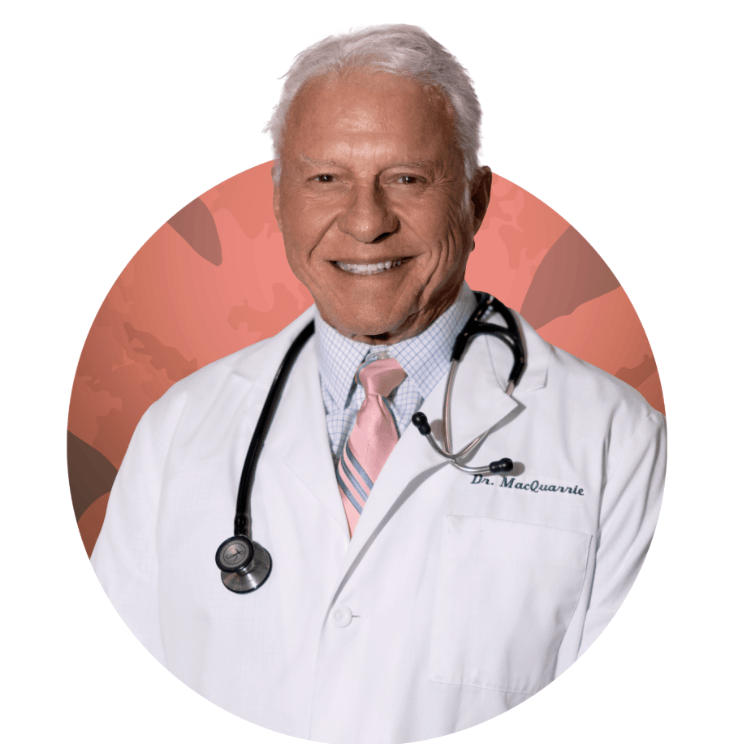
Medical Director, Dr. MacQuarrie’s unique background in emergency medicine, including his role as Medical Director at a prominent detox center located in San Francisco, has given him valuable insights into the acute medical needs of patients with substance use disorders.