
Dual Diagnosis Treatment
Dual Diagnosis Treatment in Sonoma County, CA
As a dedicated and exclusive treatment center, we offer specialized treatment services tailored to dual diagnosis treatment needs, including dual diagnosis rehab programs specifically designed for patients with co-occurring disorders.
Research indicates that approximately 9.2 million adults in the U.S. struggle with both a mental illness and a substance use disorder, highlighting the necessity for integrated treatment strategies. According to the DSM-5 criteria, a substance use disorder is diagnosed when a person demonstrates at least two symptoms within the last 12 months, such as using larger amounts than intended, unsuccessful attempts to cut down, and continued use despite negative consequences. Our programs ensure that both mental health and substance use issues are addressed together, to give people the best chance for sustained sobriety and a peaceful life going forward.
What is a Dual Diagnosis?
What is a Dual Diagnosis?
Common Dual Diagnosis Conditions
Common Dual Diagnosis Conditions
Based on the 2022 National Survey on Drug Use and Health (NSDUH), 21.5 million people had a co-occurring mental illness and substance use disorder (dual diagnosis disorder) in the past year.
Many people practice self-medication, wherein people use addictive substances to manage symptoms of mental health issues. For example, someone experiencing social anxiety may regularly imbibe in alcohol or cannabis at parties to calm themselves enough to participate in activities. Someone who experiences nightmares from PTSD may find themselves using alcohol or opioids to fall asleep regularly. The problem with this practice is not only the development of addiction — these substances can cover up or minimize the presence of symptoms, making it much harder to be properly diagnosed and/or receive effective care.
Dual diagnosis can involve a broad range of mental health and substance use disorders. Some of the most common combinations we address include:
- Depression disorders
- Anxiety disorders
- Bipolar disorder
- Post-traumatic stress disorder (PTSD)
- Schizophrenia
- Eating disorders
- Obsessive-compulsive disorder (OCD)
- Personality disorders (such as borderline personality disorder)
- Social anxiety
- Alcohol addiction
- Heroin addiction
- Panic disorder
- Psychotic disorders
If this describes you, you’re not alone. According to a 2014 National Survey on Drug Use and Health, 7.9 million people in the U.S. experience both a mental disorder and a substance use disorder simultaneously. The 2020 National Survey on Drug Use and Health found that around 17 million adults aged 18 and older had both a substance use disorder and a co-occurring mental illness, representing 6.7% of the adult population.
What to Expect at Our Dual Diagnosis Treatment Centers in Petaluma
What to Expect at Our Dual Diagnosis Treatment Centers in Petaluma
Detox and Stabilization
Detox and Stabilization
Residential Treatment (Inpatient Rehab)
Residential Treatment (Inpatient Rehab)
Our residential treatment program provides 24/7 care in a structured environment and is recommended for high-need cases. Individuals reside on-site and participate in a spectrum of therapeutic activities structured to address both mental health and substance use disorders. The program encompasses:
- Individual Therapy: One-on-one sessions with licensed therapists to investigate underlying complications and develop coping mechanisms for managing both mental health and substance use issues.
- Group Therapy: Facilitated group sessions that deliver peer support and foster a sense of community.
- Family Therapy: Therapy sessions that involve family members to improve communication and strengthen support systems.
- Holistic Therapies: A variety of holistic therapy approaches, such as yoga, meditation, art therapy, and nutrition counseling, to promote overall well-being.
- Evidence-Based Therapies: We offer evidence-based therapeutic treatments, including Cognitive Behavioral Therapy (CBT), Dialectical Behavior Therapy (DBT), and eye movement desensitization reprocessing (EMDR) as integral components of our dual diagnosis treatment plan. Our residential program is specifically designed to address dual diagnosis addiction treatment needs, providing comprehensive care and helping individuals develop effective coping mechanisms to support lasting recovery.
Our residential treatment program is structured to assist clients in building a solid foundation for recovery by addressing the root causes of their dual diagnosis disorders in a structured and supportive setting.
Causes of Dual Diagnosis Disorders
Causes of Dual Diagnosis Disorders
The development of dual diagnosis disorders can be attributed to various factors, including:
- Genetic Predisposition: A family background of mental health disorders or substance misuse can elevate the risk.
- Environmental Influences: Trauma, stress, and exposure to substance consumption can contribute to the development of co-occurring disorders.
- Neurobiological Factors: Imbalances in brain chemistry and function can play a role in both mental health disorders and addiction.
- Psychological Factors: Co-occurring disorders frequently stem from underlying psychological complications, such as unresolved trauma or chronic stress.
Individuals may turn to abusing alcohol as a way to cope with symptoms of mental health conditions, but this often exacerbates both issues. Substance abuse can also mask symptoms of underlying mental health issues, making diagnosis and effective treatment more challenging. Many individuals turn to substances as a form of self-medication to relieve mental health symptoms, but this often leads to relapse and can worsen underlying psychiatric conditions.
How is Dual Diagnosis Treated?
How is Dual Diagnosis Treated?
Effective dual diagnosis treatment in California begins with a comprehensive psychological and medical evaluation to provide diagnostic clarity and create a personalized treatment plan. This integrated approach is designed to treat addiction and mental health treatment needs simultaneously, ensuring both issues are addressed for lasting recovery. At Longhorn Ridge Recovery, our individualized treatment plans include evidence-based therapies such as Cognitive Behavioral Therapy (CBT) and Dialectical Behavior Therapy (DBT), as well as holistic care to support overall well-being.
- Cognitive Behavioral Therapy (CBT): A family background of mental health disorders or substance misuse can elevate the risk.
- Dialectical Behavior Therapy (DBT): Trauma, stress, and exposure to substance consumption can contribute to the development of co-occurring disorders..
- Medication Management: Imbalances in brain chemistry and function can play a role in both mental health disorders and addiction.
- Holistic Therapies: We provide a spectrum of holistic therapies, including yoga, meditation, art therapy, and nutrition counseling, to support overall well-being as part of a comprehensive treatment plan.
- Family Therapy: Including family members in the treatment process can improve communication and deliver a stronger support system for recovery.
Receive Help and Support at Longhorn Ridge Recovery
Receive Help and Support at Longhorn Ridge Recovery
At Longhorn Ridge Recovery, our dual diagnosis treatment stands out due to our commitment to individualized care, experienced staff, and holistic approach. With deep expertise serving individuals throughout Northern California, we understand the unique needs of our regional community
.We understand that every person's recovery journey is unique, and we customize our programs to meet each individual’s specific requirements through specialized treatment and individualized treatment plans. Our integrated treatment model guarantees that both mental health and substance use disorders are addressed comprehensively, delivering the best chance for long-term recovery. Contact us today to learn more.
https://pmc.ncbi.nlm.nih.gov/articles/PMC12026904/
https://www.samhsa.gov/substance-use/treatment/co-occurring-disorders
https://www.ncbi.nlm.nih.gov/books/NBK571017/
https://library.immaculata.edu/Dissertation/Psych/Psyd449TaylorTroutA2021.pdf
https://nida.nih.gov/research-topics/co-occurring-disorders-health-conditions
https://www.getsmartaboutdrugs.gov/sites/default/files/2023-11/2022%20NSDUH.pdf
https://www.samhsa.gov/data/sites/default/files/NSDUH-FRR1-2014/NSDUH-FRR1-2014.pdf










Does Insurance Cover Addiction Treatment?
We work with most PPO insurance plans, typically offered through your employer, to secure the best rate for comprehensive addiction treatment. Verify your insurance in under a minute to see your coverage options. All information provided is strictly confidential.





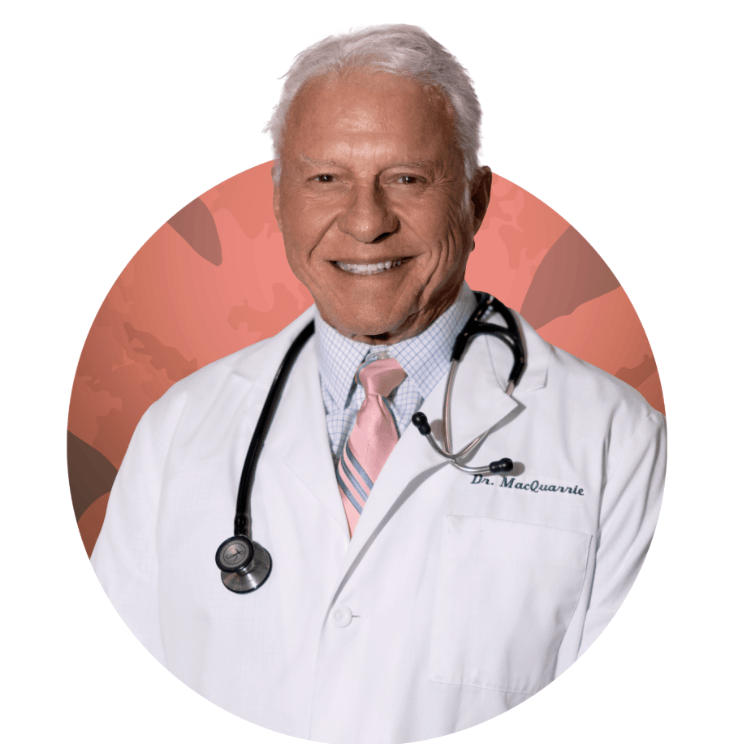
Medical Director, Dr. MacQuarrie’s unique background in emergency medicine, including his role as Medical Director at a prominent detox center located in San Francisco, has given him valuable insights into the acute medical needs of patients with substance use disorders.