


If alcohol is interfering with your health, relationships, or daily responsibilities, and you’ve struggled to stop on your own, you may need rehab. While not everyone who drinks requires professional treatment, needing alcohol to cope, feeling out of control, or being unable to quit are strong indicators that outside help could make a meaningful difference.
Rehab isn’t just for “severe” cases. Many people benefit from structured support before their drinking reaches a crisis point. Seeking help early can prevent long-term physical, emotional, and social consequences while giving you the tools to regain control of your life.
Signs You May Have an Alcohol Problem
Signs You May Have an Alcohol Problem
Alcohol addiction often develops gradually, making it difficult to recognize when casual or social drinking has turned into something more serious. Understanding the warning signs can help you determine whether it’s time to seek professional help and consider substance abuse treatment.
Physical Dependence
If you need alcohol to feel normal or experience withdrawal symptoms like shaking, anxiety, sweating, nausea, or irritability when you stop drinking, this suggests physical dependence. Over time, your body becomes used to alcohol’s presence, making it harder, and potentially dangerous, to quit without support. Physical dependence is one of the clearest signs that medical detox may be necessary.
Drinking More Than Intended
You may start with the intention of having one or two drinks, only to find yourself continuing far beyond that limit. Losing track of how much you’ve consumed or frequently drinking longer than planned can signal a loss of control. This pattern often worsens over time, leading to increased tolerance and higher consumption.
Failed Attempts to Cut Back
Many people with alcohol use disorder recognize the problem and try to cut back or quit. However, repeated unsuccessful attempts can indicate that willpower alone isn’t enough. If you’ve made promises to yourself or others about reducing your drinking but haven’t been able to follow through, it may be time to consider structured treatment.
Neglecting Responsibilities
Alcohol can begin to take priority over important areas of life. Missing work, neglecting family responsibilities, or losing interest in activities you once enjoyed are all signs that drinking may be interfering with your daily functioning. Over time, this can lead to serious personal and professional consequences.
Continued Drinking Despite Consequences
Even when alcohol causes clear problems—such as strained relationships, declining health, financial stress, or legal issues—continuing to drink anyway is a strong indicator of addiction. This pattern reflects the compulsive nature of alcohol use disorder and often requires professional intervention to overcome.

What Is Alcohol Use Disorder (AUD)?
What Is Alcohol Use Disorder (AUD)?
Alcohol Use Disorder (AUD) is a chronic medical condition characterized by an inability to stop or control alcohol use despite negative consequences. It affects both the brain and behavior, making it difficult to quit without support, such as alcohol rehab.
AUD exists on a spectrum and is classified based on the number of symptoms present:
- Mild: 2–3 symptoms
- Moderate: 4–5 symptoms
- Severe: 6 or more symptoms
In reality, AUD is a medical condition—not a lack of discipline—and it responds best to professional, evidence-based care.
When Does Drinking Become a Problem That Requires Rehab?
When Does Drinking Become a Problem That Requires Rehab?
Understanding when drinking crosses the line into a condition that requires professional treatment can be challenging. However, there are clear indicators that rehab may be the most effective and safest option.
Heavy Drinking vs. Alcohol Use Disorder
Heavy or binge drinking—such as consuming large amounts in a short time—can be harmful, but it doesn’t always mean someone has developed an addiction. Alcohol use disorder involves deeper patterns, including cravings, dependence, loss of control, and continued use despite negative consequences.
If your drinking feels compulsive rather than occasional, it may indicate a more serious issue.
Signs At-Home Efforts Aren’t Enough
If you’ve tried to quit or cut back on your own but keep returning to alcohol, it’s a strong sign that additional support is needed. Addiction often involves both physical and psychological components, which can be difficult to address without professional guidance.
Rehab provides structure, accountability, and therapeutic support that significantly increases the likelihood of long-term success.
When Withdrawal Symptoms Are Present
Withdrawal symptoms can range from mild to severe and may include:
- Anxiety or restlessness
- Tremors (shaking)
- Nausea or vomiting
- Insomnia
- Increased heart rate
- Seizures or hallucinations in severe cases
Because alcohol withdrawal can become life-threatening, especially for long-term or heavy drinkers, medically supervised detox is often necessary. Attempting to detox at home without medical oversight can put your health and safety at risk.
What Happens in Alcohol Rehab?
What Happens in Alcohol Rehab?
Alcohol rehab is designed to treat the whole person—not just the addiction. It combines medical care, therapy, and supportive services to help individuals safely stop drinking and build a foundation for long-term recovery.
At Longhorn Ridge Recovery in Petaluma, CA, clients receive highly personalized care in a small, six-bed setting that allows for individualized attention and a more intimate, supportive experience.
- Individual therapy for personalized healing
- Group therapy to build connection and support
- Evidence-based therapies like cognitive behavioral therapy (CBT)
- Holistic approaches such as yoga and meditation
- Private, fully furnished rooms
- Gourmet meals prepared by a private chef
- Fitness and wellness services
- Somatic therapy and art therapy
Medical Detox
Treatment often begins with medically supervised detox, where clients safely withdraw from alcohol under the care of trained professionals. The medical team monitors vital signs, manages withdrawal symptoms, and ensures each client’s safety and comfort throughout the process.
Detox is a critical first step, but it is only the beginning of recovery. Continuing care is essential to address the underlying causes of addiction.
Residential & Inpatient Treatment
After detox, clients can transition seamlessly into residential treatment, where they receive round-the-clock care in a structured and supportive environment. With a small client-to-staff ratio, Longhorn Ridge Recovery offers a highly personalized approach that allows individuals to feel safe, supported, and understood.
Residential treatment includes:
This phase focuses on developing coping skills, addressing underlying emotional or psychological issues, and building a strong recovery foundation.
Medication-Assisted Treatment (MAT)
Medication-assisted treatment can play a vital role in alcohol recovery by helping reduce cravings and manage withdrawal symptoms.
MAT combines FDA-approved medications with counseling and behavioral therapies. This integrated approach helps stabilize individuals so they can fully engage in the therapeutic process.
A Comfortable, Healing Environment
The environment in which recovery takes place matters. Longhorn Ridge Recovery provides a peaceful, high-end setting in Petaluma designed to promote comfort and healing.
Amenities include:
This supportive atmosphere allows clients to focus entirely on their recovery without outside distractions or stressors.
This continued support plays a crucial role in maintaining sobriety and preventing relapse over the long term.
Why You Shouldn’t Try to Quit Alcohol Alone
Why You Shouldn’t Try to Quit Alcohol Alone
While it may seem possible to quit drinking through willpower alone, doing so without professional support can be both dangerous and ineffective—especially for those with moderate to severe alcohol use disorder.
Risks of Alcohol Withdrawal
Alcohol withdrawal can escalate quickly and unpredictably. Severe symptoms such as seizures or delirium tremens (DTs) can be life-threatening without medical intervention. Supervised detox ensures that symptoms are managed safely and reduces the risk of complications.
Lack of Structure and Support
Addiction recovery requires more than just stopping alcohol use—it requires learning new coping skills and behaviors. Without structure and accountability, it’s easy to relapse when faced with stress, triggers, or cravings.
Addressing Underlying Issues
Alcohol is often used to cope with deeper emotional challenges such as anxiety, trauma, or depression. Without addressing these underlying issues, quitting can feel overwhelming and unsustainable. Professional treatment provides therapy and tools to work through these challenges in a healthy way.
Benefits of Professional Treatment
Rehab offers a comprehensive approach that includes:
- Medical supervision during detox
- Personalized treatment planning
- Evidence-based therapies
- A safe, supportive environment
These elements significantly improve the likelihood of achieving and maintaining long-term recovery.
Take the First Step at Longhorn Ridge Recovery
Take the First Step at Longhorn Ridge Recovery
If you’re questioning whether you need rehab for alcohol, that question alone is worth taking seriously. You don’t have to wait until things get worse to seek help, early intervention can make the recovery process smoother and more successful.
Longhorn Ridge Recovery provides comprehensive alcohol addiction treatment in the Bay Area, including medically supervised detox, residential care, medication-assisted treatment, and ongoing support. With a small, personalized setting in Petaluma, CA, clients receive the focused attention and compassionate care needed to build a lasting foundation for sobriety.
If you or a loved one is ready to take the next step, reach out today.

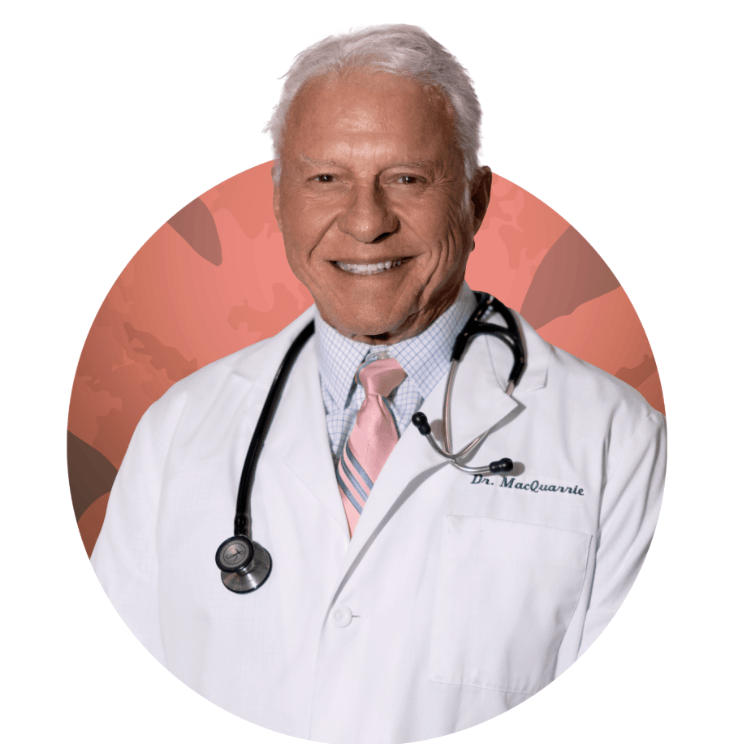
Medical Director, Dr. MacQuarrie’s unique background in emergency medicine, including his role as Medical Director at a prominent detox center located in San Francisco, has given him valuable insights into the acute medical needs of patients with substance use disorders.