


For many people struggling with alcohol use, the idea of quitting “cold turkey” can feel empowering. It often comes from a desire to take back control quickly, reset your habits, and prove to yourself that you can stop. You might be thinking, “I’ll just quit and push through it.”
While that instinct is understandable, quitting alcohol suddenly is not always safe, especially for individuals who have been drinking regularly or heavily. What seems like a simple decision can quickly turn into a serious medical situation.
At Longhorn Ridge Recovery, the focus is on helping individuals make informed, safe choices about recovery. Understanding the risks of quitting alcohol abruptly, along with the safer alternatives available, can help you take the next step with confidence and support.
What Does “Quitting Alcohol Cold Turkey” Mean?
What Does “Quitting Alcohol Cold Turkey” Mean?
Quitting alcohol “cold turkey” means stopping all alcohol use suddenly without tapering down or receiving any medical support. There is no gradual reduction. Instead, alcohol is removed from the body all at once.
For people who drink occasionally or in small amounts, this may not lead to significant issues. However, for those who drink frequently or have developed an alcohol dependence, the body may rely on alcohol to function normally. In these cases, stopping suddenly can trigger withdrawal symptoms.
The level of risk depends largely on how long and how much someone has been drinking. Someone with alcohol use disorder may experience intense physical and psychological effects when they stop, which is why professional guidance and alcohol rehab are often recommended.
What Happens to Your Body When You Stop Drinking Suddenly?
What Happens to Your Body When You Stop Drinking Suddenly?
Alcohol directly affects the central nervous system by slowing down brain activity and altering how neurotransmitters communicate. Over time, the brain adapts by working harder to maintain balance while alcohol is present.
When alcohol is suddenly removed, the brain does not immediately adjust back to normal. Instead, the nervous system becomes overstimulated. This leads to symptoms like anxiety, rapid heart rate, and agitation.
This reaction is known as withdrawal. It is the body’s way of trying to rebalance itself without alcohol, but the process can be uncomfortable and, in some cases, dangerous. The more dependent the body has become on alcohol, the more intense this rebound effect can be.
Alcohol Withdrawal Symptoms and Timeline
Alcohol Withdrawal Symptoms and Timeline
Alcohol withdrawal tends to follow a general timeline, but it is important to understand that symptoms can vary widely from person to person. Some individuals may experience mild discomfort, while others may develop severe complications.
Early Symptoms (6 to 12 Hours)
Within the first several hours after the last drink, mild symptoms may begin to develop. These often include:.
- Anxiety or nervousness
- Sweating
- Headaches
- Nausea or upset stomach
- Difficulty sleeping
While these symptoms may seem manageable, they can intensify quickly and should not be ignored.
Moderate Symptoms (12 to 48 Hours)
As withdrawal progresses, symptoms may become more pronounced and uncomfortable. These can include:
- Increased heart rate
- Elevated blood pressure
- Irritability or mood swings
- Confusion or trouble focusing
- Heightened anxiety
At this stage, the body is under significant stress, and medical monitoring becomes increasingly important.
Severe Symptoms (48 to 72+ Hours)
For some individuals, withdrawal can escalate into a medical emergency. Severe symptoms may include:
- Seizures
- Hallucinations
- Delirium tremens (DTs), which may involve confusion, fever, and severe agitation
Delirium tremens is one of the most serious complications of alcohol withdrawal and can be life-threatening without immediate treatment. The most important thing to understand is that withdrawal is unpredictable. Symptoms can escalate quickly, even if they start out mild.
Is It Dangerous to Quit Alcohol Cold Turkey?
Is It Dangerous to Quit Alcohol Cold Turkey?
Yes, for many people, quitting alcohol cold turkey can be dangerous.
Alcohol withdrawal is one of the few withdrawal syndromes that can be life-threatening. Severe complications such as seizures and delirium tremens can occur, particularly in individuals with long-term or heavy alcohol use.
Because of these risks, stopping alcohol use suddenly without medical supervision is not recommended for those who may be dependent. What may feel like a personal health decision can quickly become a situation that requires emergency care.

Who Should NOT Quit Alcohol Cold Turkey?
Who Should NOT Quit Alcohol Cold Turkey?
Certain individuals are at a much higher risk of complications when quitting alcohol abruptly. If any of the following apply, medical supervision is strongly recommended:
- Long-term or heavy alcohol use
- Previous experience with withdrawal symptoms
- Co-occurring mental health conditions (such as anxiety or chronic depression)
- Underlying medical conditions
- History of seizures or delirium tremens
For these individuals, attempting to quit without professional support can significantly increase the risk of severe withdrawal symptoms. A medically supervised approach is the safest way to begin recovery.
Safer Alternatives to Quitting Cold Turkey
Safer Alternatives to Quitting Cold Turkey
If quitting alcohol suddenly is not safe, there are effective alternatives that prioritize both safety and long-term success.
Medical Detox
Medical detox provides a controlled environment where individuals can safely withdraw from alcohol under 24/7 supervision. Healthcare professionals monitor symptoms, provide medications when needed, and ensure that the process is as safe and comfortable as possible.
This approach greatly reduces the risk of complications and creates a stable starting point for recovery.
Gradual Tapering
In some cases, a gradual reduction in alcohol use may be recommended. However, tapering should always be guided by a medical professional. Attempting to taper alone can still lead to withdrawal symptoms if not done correctly.
Structured Treatment Programs
Detox is only the first step. Structured treatment programs, such as residential care, provide therapy, education, and support to address the underlying causes of addiction. These programs help individuals build coping skills and create a plan for long-term recovery.
The Role of Medication-Assisted Treatment (MAT)
The Role of Medication-Assisted Treatment (MAT)
Medication-assisted treatment, often referred to as MAT, can play an important role in making the recovery process safer and more manageable.
MAT uses FDA-approved medications to help:
- Reduce withdrawal symptoms
- Decrease alcohol cravings
- Stabilize brain chemistry during early recovery
By easing physical discomfort and reducing the urge to drink, MAT allows individuals to focus more fully on therapy and healing.
Comprehensive Treatment at Longhorn Ridge Recovery
Comprehensive Treatment at Longhorn Ridge Recovery
At Longhorn Ridge Recovery, addiction is treated as a medical condition that affects both the brain and the body, not as a lack of willpower. This perspective allows for a more compassionate and effective approach to care.
Located in Petaluma, California, Longhorn Ridge Recovery provides a highly personalized treatment experience in a small, supportive setting. With a limited number of clients, each individual receives focused attention and tailored care.
Programs include:
- Medically supervised detox
- Residential treatment with 24/7 support
- Evidence-based therapies, such as cognitive behavioral therapy (CBT)
- Holistic services including yoga, somatic therapy, and wellness programs
Taking the First Step Toward Safe Recovery
Taking the First Step Toward Safe Recovery
Deciding to stop drinking is a powerful and positive step. However, how you do it matters just as much as the decision itself.
You do not have to go through withdrawal alone. Professional support can make the process safer, more comfortable, and far more effective. With the right care, you can move through early recovery with confidence and stability.
Reaching out for help is not a sign of weakness. It is a decision to protect your health and invest in your future.
Safe, Supported Recovery Starts Here
Safe, Supported Recovery Starts Here
Quitting alcohol cold turkey may seem like a quick solution, but for many people, it carries serious risks. Withdrawal can escalate quickly and unpredictably, making medical supervision a critical part of the process.
The good news is that you do not have to face this alone. With medical detox, medication-assisted treatment, and comprehensive care, recovery can be safe, manageable, and sustainable.
Longhorn Ridge Recovery offers a trusted, supportive environment in Petaluma, California, where individuals can begin their recovery journey with expert care and personalized attention. Contact Longhorn Ridge Recovery today to learn more.
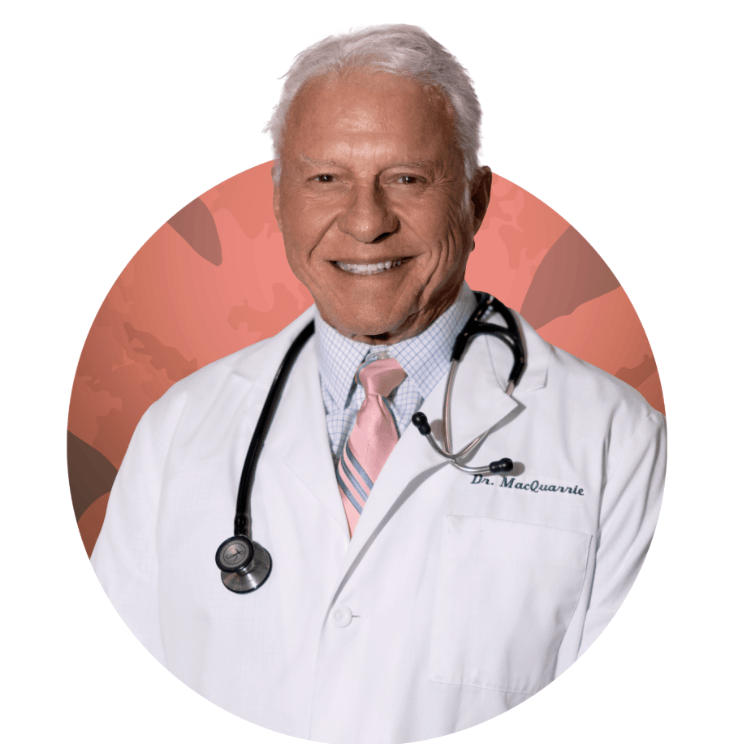
Medical Director, Dr. MacQuarrie’s unique background in emergency medicine, including his role as Medical Director at a prominent detox center located in San Francisco, has given him valuable insights into the acute medical needs of patients with substance use disorders.